Ask about access using the details that matter to you
Useful access information describes the route and the room. It lets you decide what works for you instead of relying on a broad label.
Start with your own requirements
Write down the features that affect your stay in practical terms. These might concern steps, doorway widths, bathroom arrangements, lighting, sound, seating or the distance from parking. You do not need to provide a medical history to explain that a particular measurement or arrangement matters.
Include the ordinary activities you expect to do independently or with your usual support. Reaching a bedroom is only one part of staying somewhere. Think about entering, using the bathroom, preparing food, sitting comfortably and going outside. The relevant questions will differ from one person to another.
Where travelling with someone else, ask them what information they need rather than deciding on their behalf. A well-intended assumption can miss the feature that matters most. Let the person using the space lead the judgement whenever possible.
Ask for the detailed information first
Look for a current access guide linked from the property listing. VisitEngland describes detailed access guides as factual resources that include measurements, photographs and the route through a venue. They can help you identify both useful features and points needing clarification.
Check that the guide refers to the exact accommodation unit you are considering. A larger site may contain cottages with very different layouts. Confirm whether any changes have been made since the guide was prepared, especially if a particular feature is essential.
If there is no guide, ask for the specific facts you need. “Is it accessible?” asks the owner to make a broad judgement. “Is there a step between the parking area and the entrance, and can you send a photograph?” creates a clearer question.
Follow one continuous journey
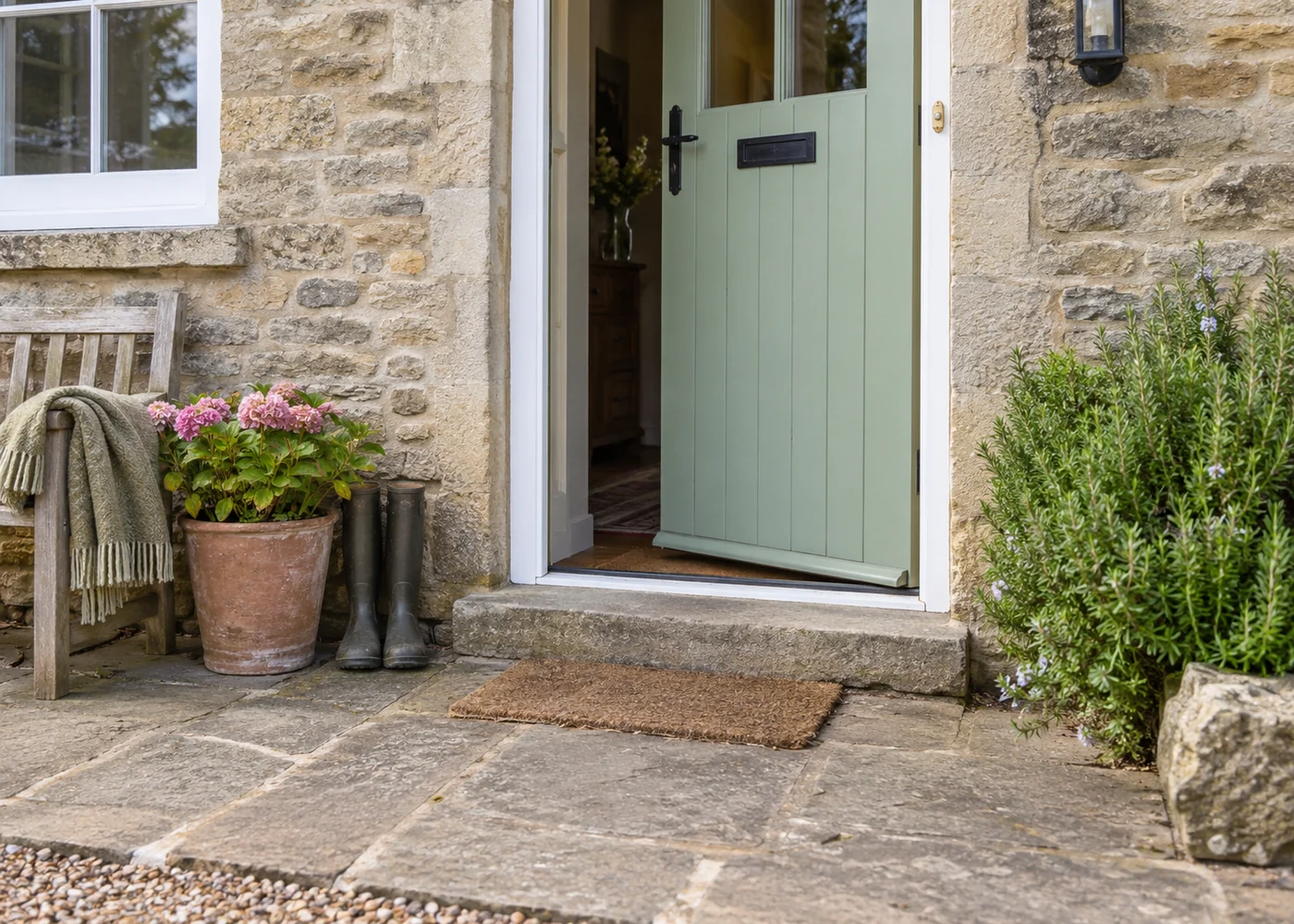
Begin at the place where you arrive. Ask about the parking surface, distance to the door, slopes, gates and thresholds as relevant. Then continue inside to the rooms you need. A level entrance does not establish that the rest of the cottage is level.
Request measurements where clearance matters, and explain what should be measured. A doorway's usable opening is more helpful than an approximate description of the door itself. Photographs can show context, but perspective makes them unreliable for precise dimensions.
For bathrooms, ask about the actual equipment and layout rather than relying on “wet room” or “walk-in shower”. Those descriptions do not settle turning space, the position of fixtures or the suitability of any seat or support. If specialist assessment is needed, a holiday listing cannot replace it.
Include less visible needs
Light levels, glare, contrasting surfaces, background sound and the clarity of instructions may affect comfort as much as steps. Ask about the details relevant to you, such as curtains, controllable lighting, alarm information or a quiet sleeping position.
If you travel with equipment, establish where it can be stored or charged appropriately and whether the property can accommodate it. Do not assume that a cupboard or socket shown in a photograph is available for that purpose. Discuss the practical arrangement before booking.
For assistance or a service beyond the accommodation itself, confirm exactly what the provider can offer. Avoid interpreting a helpful tone as a promise of support that has not been explicitly arranged.
Make uncertainty visible
Keep the answers together and mark anything unresolved. If an owner cannot provide a measurement immediately, allow time for a proper answer rather than accepting an optimistic guess. A short video of a route may add context, but it still does not replace a required measurement.
If a crucial feature remains unclear, consider another property with fuller information. This is a selection decision, not a judgement about the owner's intentions. The accommodation needs to support your actual stay, and vague reassurance cannot carry that responsibility.
Once booked, confirm any agreed arrangement near arrival through the property's normal contact route. Keep the relevant details available offline. On arrival, check that the expected setup is present and raise differences promptly, without trying to improvise adaptations that have not been assessed or authorised.
A good enquiry does not need to be long. It needs to connect your requirements with observable details, so that the choice belongs to you rather than to an adjective in the listing.