
With your dog
What dog-friendly really needs to mean for your stay
A pet symbol tells you a dog may be admitted. The useful question is whether the property and its rules suit the holiday you have in mind.
Read the guide28 guides
Make space for walks, muddy paws and a familiar routine.
A pet symbol tells you a dog may be admitted. The useful question is whether the property and its rules suit the holiday you have in mind.
Read the guide
A garden can be enclosed without being suitable for every dog. Ask about its edges, gates and shared access before treating it as a deciding feature.
Read the guide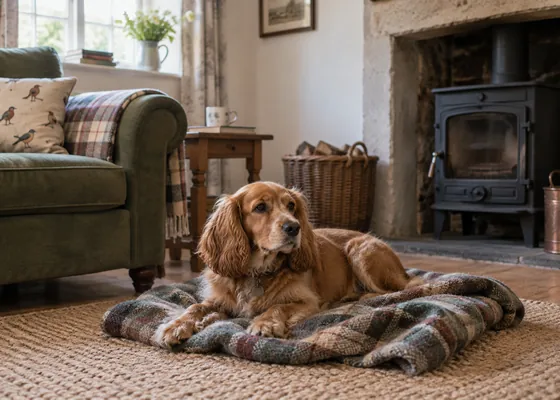
Unloading, dinner and an unfamiliar house can make arrival busy. A few familiar things help the evening settle into an ordinary routine.
Read the guide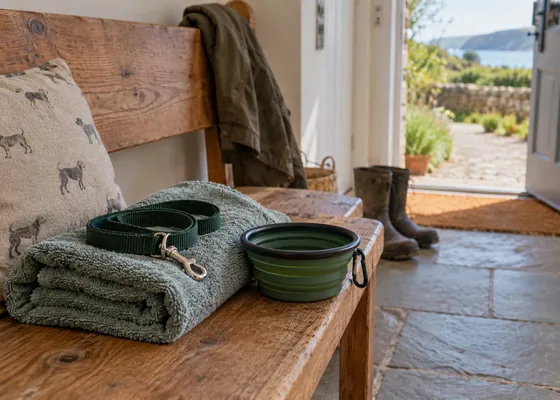
A compact, familiar collection is easier to use than a boot full of pet accessories. Pack around the routines your dog already has.
Read the guide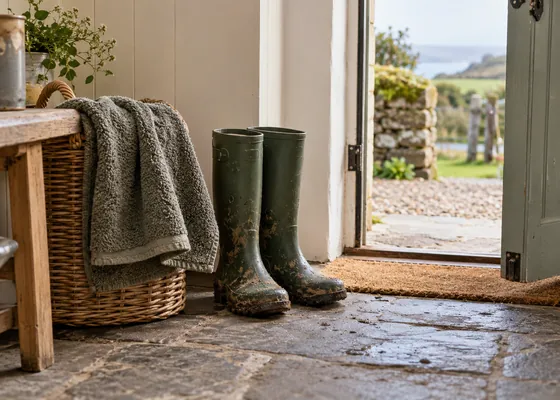
Choose one small place for wet leads, towels and shoes so that every return does not spread across the whole cottage.
Read the guide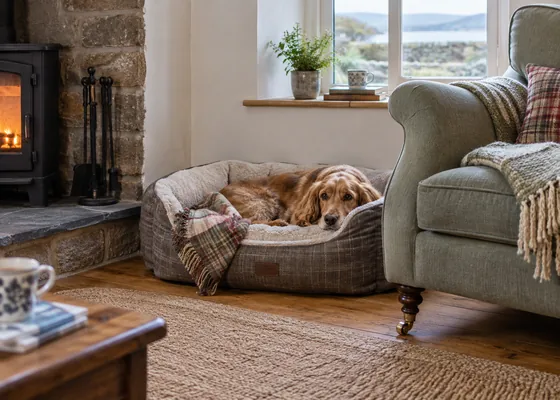
The best sleeping spot fits the cottage rules, your dog's familiar routine and the way everyone else moves through the house.
Read the guide
Two dogs bring two sets of habits. Look at the available space and everyday routines rather than assuming that a two-dog allowance answers everything.
Read the guide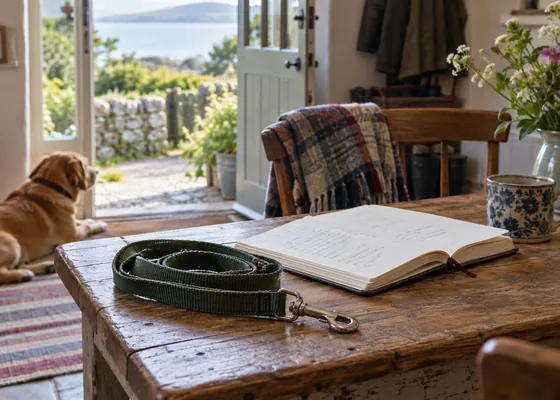
Pet conditions affect the whole stay, from sleeping arrangements to lunch plans. Read them as practical instructions rather than small print to revisit later.
Read the guide
Decide where your dog will rest before bags and coats fill the room, and follow the cottage's actual furniture rules.
Read the guide
Choose a bowl position that is easy to reach, easy to clean and outside the busiest path through the kitchen.
Read the guide
For two or three nights away, a familiar routine and one good outing can be more enjoyable than a full dog-friendly itinerary.
Read the guide
The route you use before breakfast matters as much as the scenic outing. Check what is genuinely available from the cottage door.
Read the guide