A double bed is not the whole bedroom story
The mattress dimensions matter, but so does the space around it and the arrangement of the room.
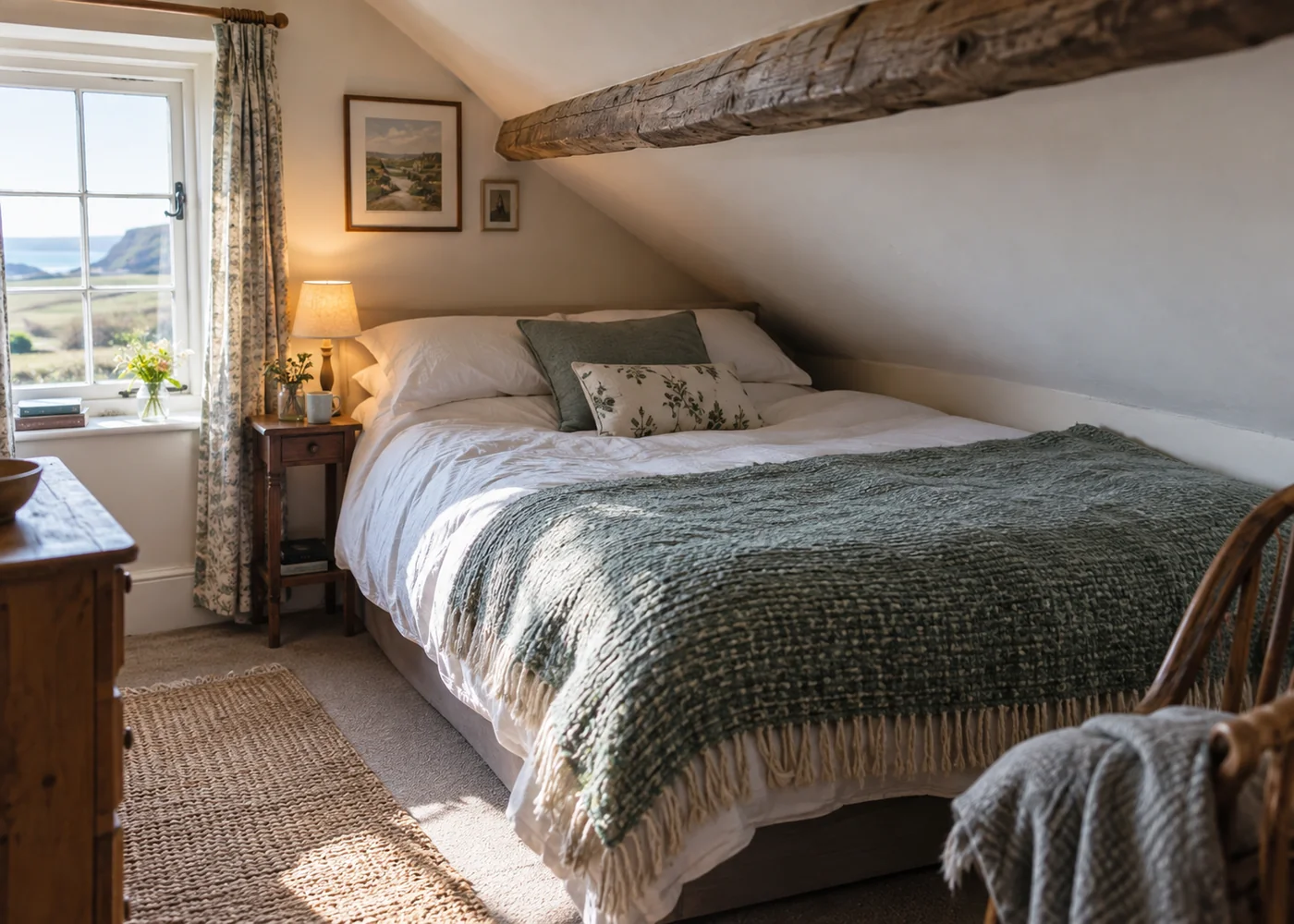
Ask for the actual setup
Bed descriptions are useful shorthand, yet the practical question is whether the supplied arrangement suits the people sleeping there. If size is important, ask for dimensions rather than relying entirely on a label. Confirm whether the bed is a permanent double or a zip-and-link arrangement that can be configured differently.
Where alternative configurations are offered, request the one you need through the stated process and within any deadline. Do not assume you can change it on arrival by moving beds yourself. Linen and room layout may be prepared specifically for the chosen arrangement.
For separate sleepers, look at the gap between twin beds and whether each has a usable bedside surface. A room can contain two single mattresses while feeling quite different from the twin room you imagined.
Read the rest of the bedroom
Check whether both sides of a double bed can be reached. A bed against a wall may be fine for one person but awkward for two, especially if one gets up during the night. A generous mattress in a very small room can leave little space to dress or open luggage.
Attic rooms need particular attention to headroom. A photograph taken low down may emphasise the bed while hiding the slope above it. Ask where an adult can stand comfortably and whether the route around the bed passes beneath low beams.
Look at the foot of the bed too. Storage furniture or a narrow doorway can make moving through the room less straightforward than the main photograph suggests. You are choosing the whole sleeping space, not just a mattress.
Consider comfort without demanding certainty
Mattress comfort is personal. An owner can describe the mattress type or firmness as they understand it, but cannot guarantee that everyone will sleep well. Ask about a feature that genuinely affects your choice, then recognise the limits of a description.
Window coverings, bedside lighting and nearby noise may be more predictable factors to check. If one guest reads while another sleeps, a separate lamp helps. If early light is a concern, ask about curtains or blinds rather than assuming the room can be darkened.
For a longer stay, enough hanging space and a place for a bag can also improve the room's usefulness. A slightly smaller bed in a better-arranged room may suit you more than the largest possible mattress surrounded by awkward gaps. Decide which compromise you would notice every day, and use that to guide the shortlist.