A clifftop setting for a coastal break
A clifftop location can bring a wide horizon into everyday life. Choose it with a clear picture of access, exposure and the routes you will actually use.
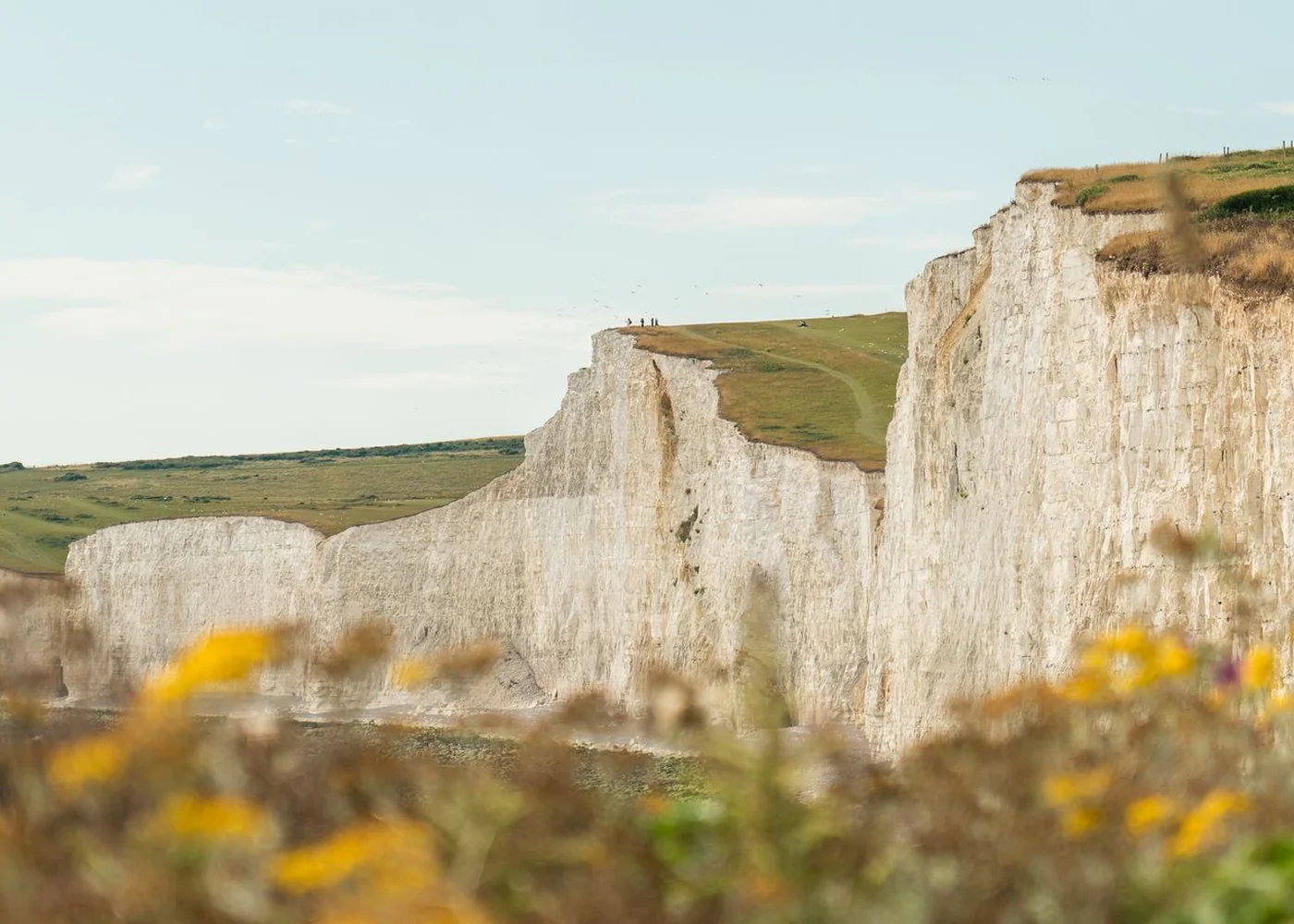
A high view is a particular kind of coast
From a clifftop, the sea can feel like part of the sky: broad, distant and constantly changing. That is a different experience from stepping straight onto a beach. If watching weather from a window is central to the holiday, the setting may be especially appealing. If the main aim is frequent easy trips to the sand, the height may become a practical consideration.
Look carefully at how the cottage connects to the shore. A beach directly below may require a long route, steep steps or a drive to an established access point. Do not count an informal-looking line on a photograph as a usable path. Find the recognised route and current local information before assuming a quick descent is available.
The same applies to the village or shops. A spectacular position may sit beyond the settled area, with no comfortable pedestrian link. Think about the journeys you will repeat for meals and supplies. A view is easier to enjoy when the ordinary parts of the stay are manageable.
Understand the outdoor space
If the property has a garden or terrace, ask about its layout and boundaries where the description is unclear. A clifftop address does not tell you how close the outdoor space is to an edge or whether it suits the people travelling. Do not infer suitability for children or pets from a wide-angle photograph.
Exposure can affect how often you use an outdoor seating area. A sheltered corner may be more useful than the widest possible outlook. Look for a place where you can sit comfortably in ordinary conditions, and accept that some days are better enjoyed from inside.
For walks, choose established routes appropriate to the group and follow local closures or diversions. The RNLI advises care around all waterside edges, not only dramatic cliffs. Keep well away from edges and avoid treating a photograph taken close to one as a model for your own position.
Make the view part of a varied stay
A high coastal base can be wonderfully restful, but a short break need not revolve entirely around exposed walks. A town visit, sheltered garden or harbour outing can provide a different scale. Choose a location from which those alternatives are realistic rather than several difficult journeys away.
On days when conditions are unsuitable outdoors, allow the cottage to be the destination. Read, cook or simply watch the sea from a safe comfortable place. If that prospect appeals, the clifftop setting may add something worthwhile even when the weather refuses a walk.
If it does not appeal, a lower or more central base may suit you better. You can still visit a public viewpoint in good conditions. There is no requirement to stay in the most dramatic location to enjoy a dramatic coastline.
Compare the indoor and outdoor versions of the stay
Imagine two complete days before deciding. On the first, conditions are pleasant and you spend time on a suitable path or terrace. On the second, you remain mostly indoors. Look at the dining space, seating and outlook from the actual room. A cottage chosen for an exposed position should work well in both versions.
Consider how the group uses shared space. A single prime seat facing the sea may create a different experience from a room where everyone has a comfortable view. If reading, games and conversation will happen at the same time, the layout matters as much as the horizon.
Think about supplies as part of that indoor day. A reasonable food plan lets you stay because you want to, not because the weather has left you without lunch. Bring the first essentials and identify a convenient shopping stop on an ordinary outing.
These details help distinguish a setting that will enrich the stay from one that mainly provides an impressive arrival photograph. The view should remain a pleasure after the first ten minutes, when coats, bags and groceries have become part of the room.
Arrival deserves daylight
An unfamiliar approach is easier to understand when you can see it clearly. Use the host's directions and ask about any unusual access before travel. This is particularly useful where lanes, parking spaces or paths are not obvious from a navigation pin.
Once settled, familiarise yourself with the immediate permitted area before going farther. Know how to return, where the public route begins and which spaces belong to the property. That small amount of orientation makes later outings feel less uncertain and leaves more attention for the view that brought you there.