Visiting a beach behind the dunes
A beach behind dunes can feel wonderfully separate from the road. The approach is part of the outing, so allow for the distance and protect the landscape you pass through.
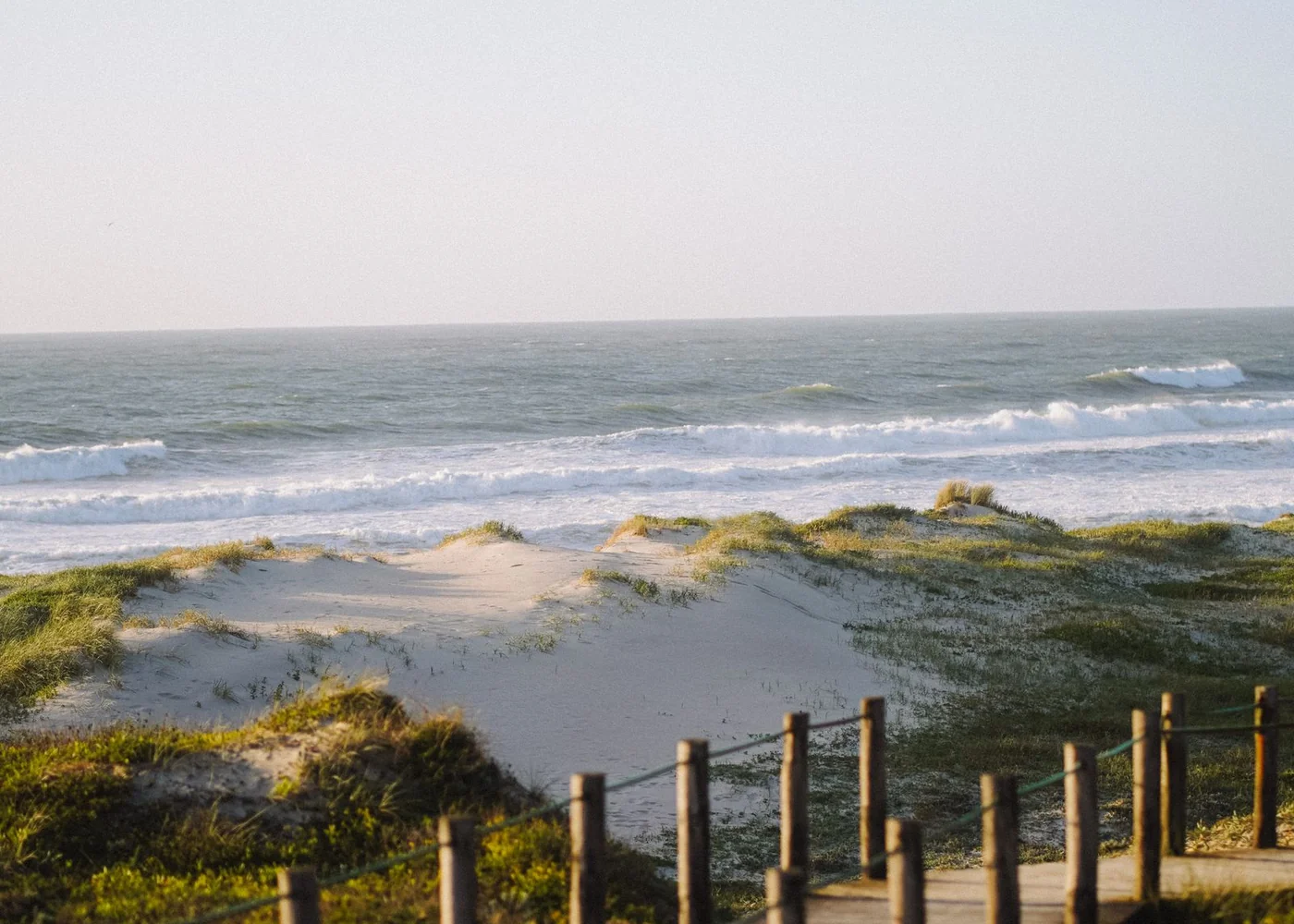
Count the approach
A car park close to the coast on a map can still be some distance from the water when dunes lie between. Look at the established access route and its surface before packing for a long beach day. A boardwalk may make part of the journey easier without covering the whole way.
For a group carrying food, towels and equipment, that approach matters. Take only what you are prepared to carry back when everyone is tired. If step-free access is essential, seek specific current information rather than assuming a visible boardwalk guarantees a suitable route to the beach.
Use the recognised paths and entrances. Dunes are not simply piles of spare sand; vegetation and managed routes help define a sensitive landscape. Follow signs and avoid creating shortcuts through planted or restricted areas.
Keep the return recognisable
Once on a broad beach, it can be easy to walk away from the entrance without noticing how the view changes. Keep track of the route you used and the relevant landmarks, while remaining aware of tide and weather conditions. Do not rely on climbing a dune later to find the way back.
Choose a manageable area for the visit. Children may be keen to explore, but agree clear limits appropriate to the place and supervise them. A broad open setting can feel simpler than it is when paths divide and the entrance disappears from view.
If you want a walk rather than a long sit, keep the load light. The dune approach already provides some variety and may be enough exertion for part of the group. A short beach stretch followed by a comfortable return can make a complete outing.
Pack for the walk back
Place things you need during the approach where they are easy to reach, and keep beach-only items together. That reduces unpacking on a narrow path. A comfortable bag with room for damp items makes the return simpler than several loose carriers.
Before settling on the sand, agree how the group will return and where belongings will be gathered. A clear plan matters if children want to keep playing while others start packing. Leave enough time that nobody is rushing through the dunes with an awkward load.
If the approach is more demanding than expected, shorten the beach visit rather than ignoring the return effort. Next time, choose a different access point or a lighter outing. Learning which route suits the group is part of getting to know the coast, not a failure of planning.
Keep shoes and any essential clothing together so that they can be found promptly when it is time to leave.
Leave the dunes as part of the view
Enjoy the shapes, grasses and changing light from permitted routes. Avoid treating slopes as playgrounds where local guidance restricts access, and leave plants and natural material in place. The most attractive photograph is not worth damaging the setting.
At the end, allow time for the walk back rather than staying until the last possible moment. The quiet separation created by the dunes is part of their appeal; appreciating it includes accepting the journey on both sides of the beach visit.