Staying in a harbour town
A harbour town offers movement, shops and a natural place to wander. Its working rhythm is part of the setting, so look beyond the view of boats.
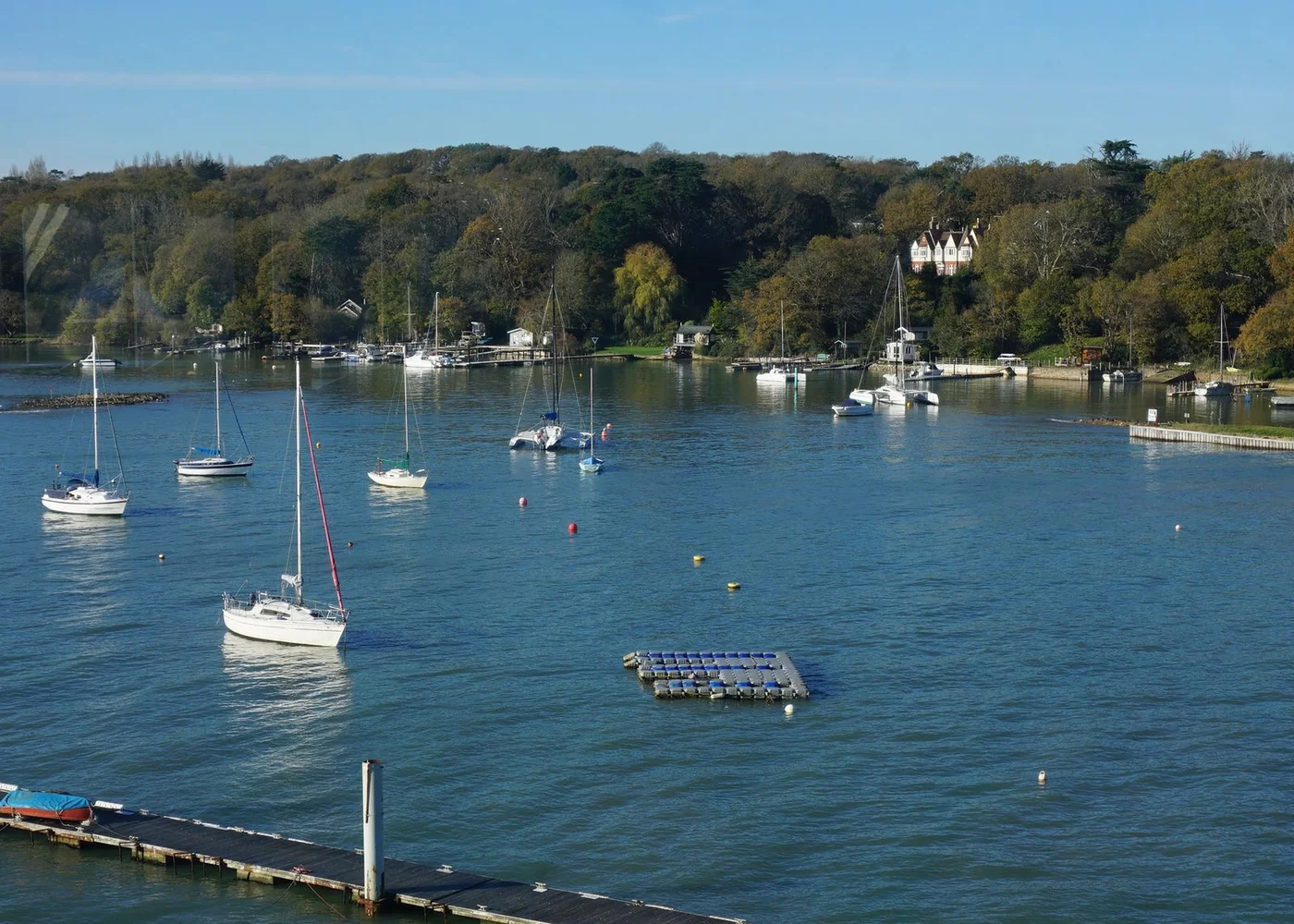
Know which harbour you are choosing
Fishing boats, leisure craft and passenger services create different patterns of activity. A harbour may combine all three, with early work at one end and visitors gathering at another. Before choosing accommodation, look at the immediate surroundings and ask about the sort of activity nearby if quiet is important to you.
A waterside address can be appealing, but a street slightly back may provide an easier base. Consider how you will carry luggage, where the car will remain and whether everyday shops are nearby. Narrow streets and steep approaches can be charming to explore while less convenient for repeated errands.
The view should be understood from the room you will use, not only from the quay. A cottage may be near the harbour without looking onto it. That can still work well if the main pleasure is stepping out for a walk, but it is worth being clear about what you are paying for.
Enjoy the activity respectfully
Public harbour areas can be fascinating places to watch, but working sections need space. Keep clear of ropes, equipment and vehicle routes, and follow local signs. A boat being loaded is not an invitation to stand close for photographs.
Choose a suitable place to pause rather than stopping wherever the view is strongest. A bench or open public area lets you watch without obstructing others. Be attentive around the water, particularly where edges are unguarded or surfaces are wet.
Morning and evening visits can feel quite different. One may show practical work and deliveries; the other may be quieter. You need not arrange an elaborate outing each time. A short circuit before buying breakfast can become a pleasant part of the stay.
Make two routes from the cottage
Identify one practical route and one leisurely route. The practical one reaches groceries, parking or transport with the least fuss. The leisurely one gives you a comfortable public place to watch the water. They may overlap, but separating their purposes prevents every errand from becoming a long scenic detour.
If the town has steep streets, try the shortest useful circuit early in the stay before adding shopping bags or a dinner reservation. You will learn how the gradient feels and where a pause is possible. That knowledge is more useful than repeatedly judging distance from the cottage window.
For a group, a clear nearby meeting place can make separate outings easier. Someone can browse while another walks, then everyone meets somewhere familiar. Choose a public spot that is comfortable and unobtrusive rather than using a working quay as the waiting area.
Balance the harbour with somewhere quieter
A town base often offers useful food choices and wet-weather options, but it can also feel busy during popular periods. Identify a suitable nearby walk or quieter public space if you want some contrast. Conversely, if you stay just outside town, check the actual route in rather than assuming the harbour is comfortably walkable.
The best harbour stay lets you enjoy both movement and retreat. You can watch the boats, buy what you need and return to a place where the evening feels comfortable. That balance matters more than being as close to the water as possible.