Packing a picnic for a coastal afternoon
A coastal picnic works best when it is easy to carry, simple to eat and ready to move if conditions change.
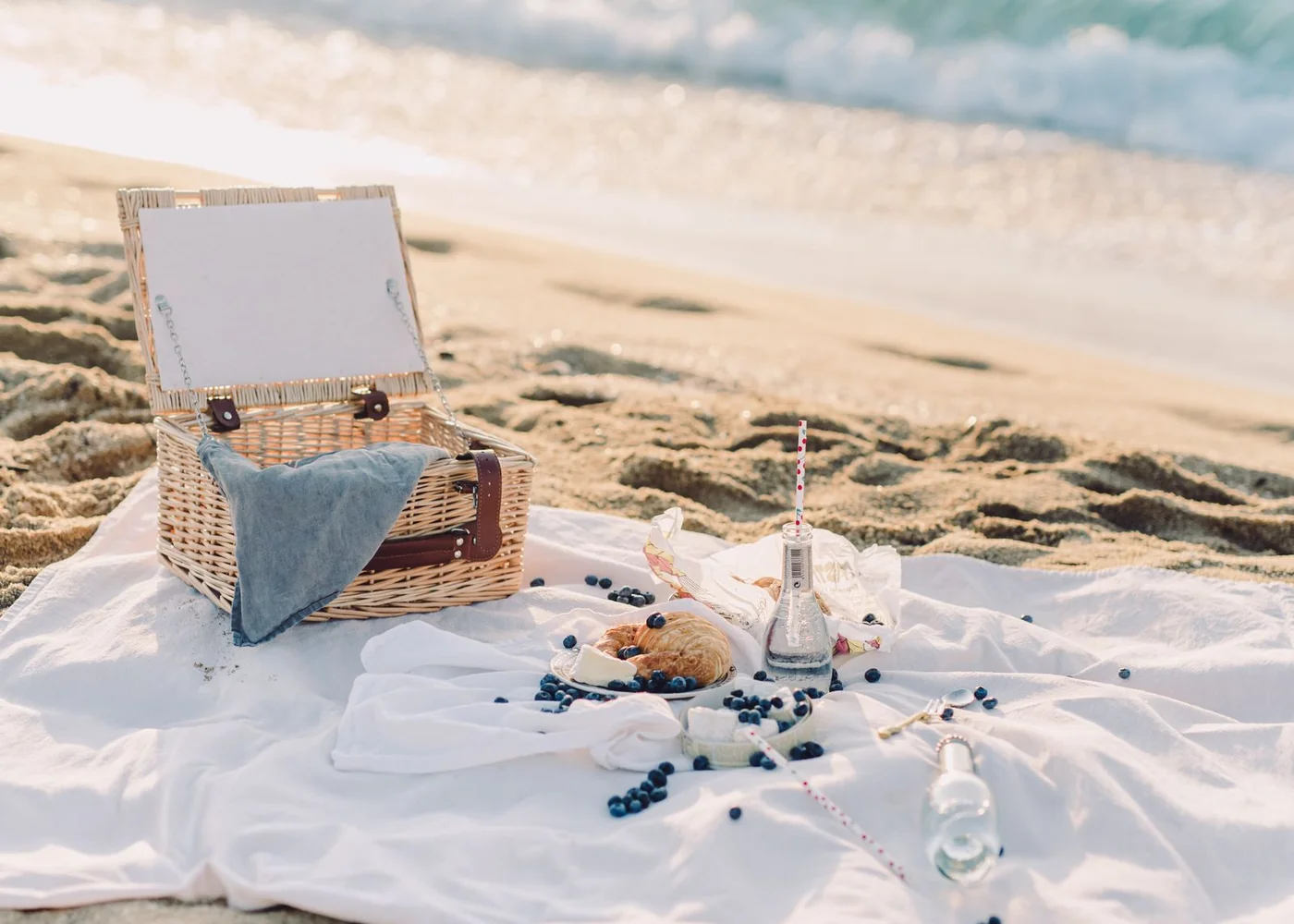
Pack for the place you will reach
A picnic beside a promenade needs a different load from one carried along a path. Before choosing food, decide roughly where you will eat and how far you will carry it. The attractive basket at the cottage may be less convenient than a comfortable bag on a longer approach.
Keep the meal straightforward. Food that can be portioned before leaving reduces the need for knives, serving bowls and a large flat surface. Bring the utensils you will actually use, not a miniature version of the whole kitchen. A compact meal is easier to enjoy when seating is limited.
Use suitable cold storage for food that needs it and follow its storage instructions. Plan the time between leaving the cottage and eating, rather than assuming a sea breeze will keep everything cool. If the outing changes substantially, reconsider the food plan as well.
Choose somewhere you can settle
Look for a permitted place away from narrow paths, working areas and waterside edges. A view is pleasant, but a stable comfortable position matters more. Do not occupy access routes or assume that a quiet patch of land is available for picnicking.
Check the weather before committing to an exposed spot. Wind can make wrappers, napkins and light containers difficult to manage. If conditions are unsuitable, eat somewhere sheltered and appropriate or return to the cottage. A picnic is a way to enjoy lunch, not an endurance exercise.
For children, choose a setting where supervision remains straightforward while adults unpack. Keep the amount of equipment manageable so that attention is not divided between several bags and the surroundings. Establish where everyone will sit before opening food.
Make the end as easy as the beginning
Bring a bag for all rubbish and leftovers. Small pieces of packaging are easy to lose outdoors, so keep them together as the meal progresses. Do not feed birds or leave food scraps behind. If a bin is full, take waste to another appropriate point or back to the cottage.
Leave the place as you found it and check around the seating area before departing. Count the small reusable items as well: lids, cups and cutlery often disappear under a blanket. A quick deliberate look is easier than returning later to search.
Keep the next part of the outing modest. A short walk can be pleasant after lunch, but you will still be carrying the picnic equipment. If a longer walk is the main aim, consider eating before it or using a simpler snack arrangement.
Make one bag the clearing-up kit
Keep rubbish bags, used containers and a cloth together so that the end of lunch is straightforward. A lidded container can hold leftover food without spreading it among clean items. Dividing the load sensibly before leaving also means that one person is not left carrying everything back while others walk ahead.
Leave room for a different decision
The best picnic plan has an ordinary alternative. If rain arrives, the same food may work at the cottage table. If the chosen spot is busy, use another appropriate place rather than spreading into an awkward area.
A few well-chosen things, eaten comfortably, can make a more memorable lunch than a large spread that is difficult to transport. The coast supplies the setting; the food only needs to support it.