A two-night coastal break with room to breathe
Two nights by the sea leave room for one full day and a few smaller moments. A restrained plan can make the stay feel longer than a crowded one.
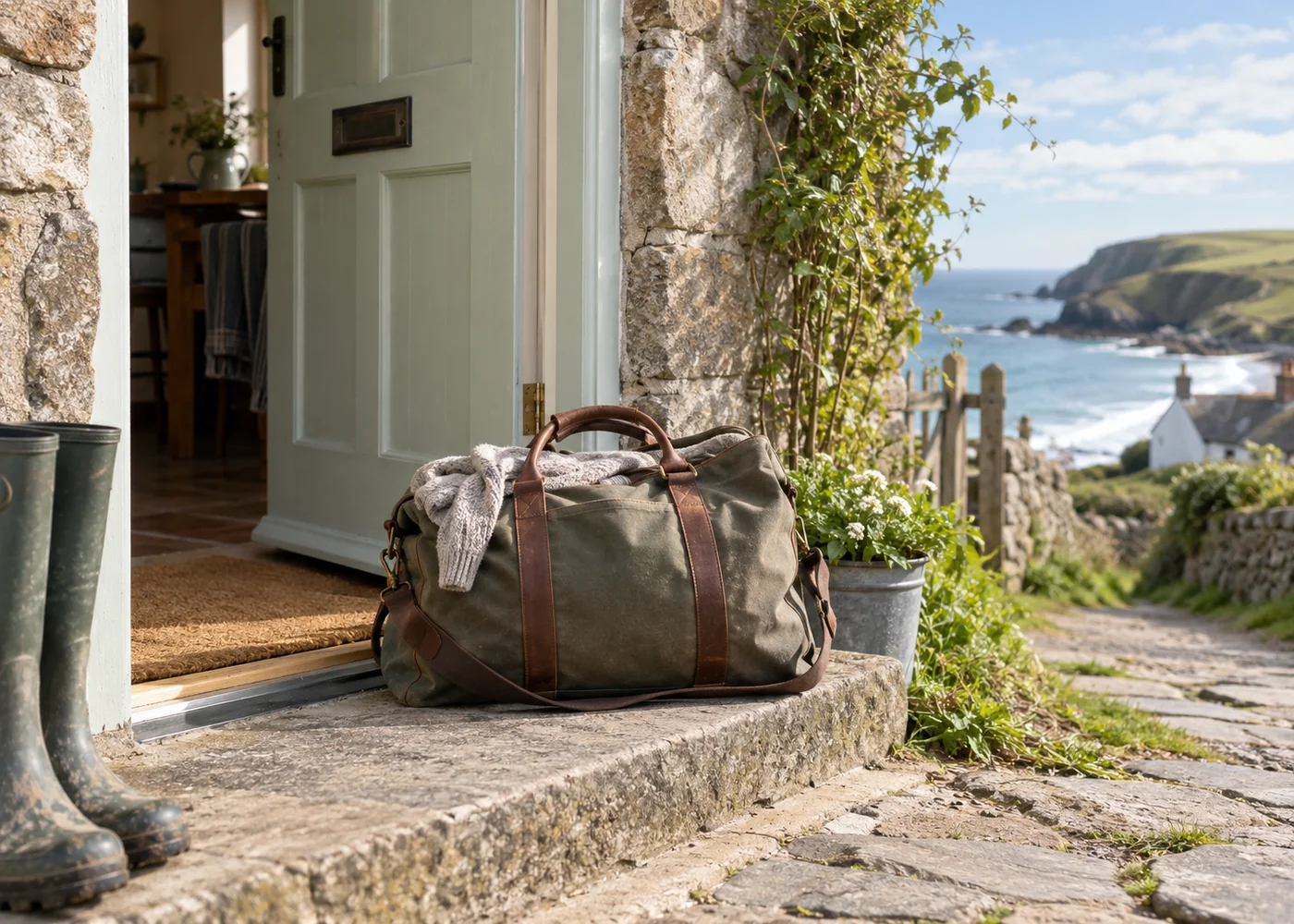
Protect the arrival evening
On a short break, it is tempting to schedule something immediately after check-in. That can create pressure before the holiday has begun. Allow for travel delays, finding the property and understanding the arrival instructions. A simple first meal keeps the evening flexible.
If there is a suitable nearby promenade or public viewpoint, a brief look at the sea can be enough. It gives a sense of arrival without requiring another drive or a major outing. Check conditions and the route rather than assuming the shore is straightforward to reach in fading light.
Bring what you need for breakfast so that the next morning does not begin with an urgent shopping trip. You can still visit a local shop for something appealing, but it becomes a choice. That small preparation protects the most useful part of the only full day.
Give the full day one centre
Choose the main experience you want: a manageable coast walk, a harbour town or time on a suitable beach. Build the day around that rather than combining all three at their fullest scale. A short stay benefits from a clear centre and generous edges.
Check the practical details that could disrupt it. For a walk, that means the route and current conditions; for a visit, opening hours and access; for the beach, local tide and weather information. Resolve those questions before leaving the cottage so that the day itself can feel less organised.
Keep lunch convenient to the main outing. A separate long journey for a meal can divide the day awkwardly. If a particular restaurant is important, let it be part of the main plan rather than another obligation attached to it.
Leave a weather alternative you actually like
Choose one indoor or more sheltered option that interests you, with current details checked. A small museum, town visit or long lunch can make a satisfying day if conditions do not suit the shore. Avoid describing it to the group as the disappointing plan from the outset.
If the weather improves briefly, a short outdoor visit may be enough. You do not have to reinstate the entire original itinerary. The flexibility to enjoy a small opening is one of the advantages of staying nearby rather than making a single day trip from home.
Use the cottage itself. A comfortable afternoon reading or cooking is not wasted time in accommodation you chose for a break. Bring something you enjoy doing and allow for a pause, especially after a busy working week or a long journey.
Keep the second evening easy
After the main day, resist adding a distant sunset trip simply because there is still time. A familiar short route or a relaxed meal may leave a better impression. If you do go out, consider the return and avoid beginning an unfamiliar coastal walk late.
Pack a few things before bedtime so that departure does not consume the whole morning. Follow the property's checkout instructions, but do not turn the final evening into a cleaning marathon through poor organisation. Keeping belongings together during the stay helps.
Agree on any departure-day stop in advance. It should lie comfortably along the route and remain optional if travel conditions or energy change. Another ambitious outing can make the break end with the same hurry you hoped to escape.
Pack around the two nights
A small bag is easier to unpack and repack, but do not omit the few things that make the stay comfortable. Bring clothing for the actual forecast, suitable shoes and whatever you want for a quiet hour indoors. Leave equipment for activities you have no realistic intention of doing.
Share the practical tasks before arrival. One person can check directions while another arranges breakfast supplies, rather than leaving all preparation to the same traveller. Keep the plan short enough that everyone understands it.
On departure morning, separate what must be done from what would merely be nice to fit in. Complete checkout calmly, then decide whether the optional coastal stop still appeals. The break should not end with a race created by an unnecessary final ambition.
Let a small habit become the memory
A second look at the same harbour or a final coffee near the water can give the stay continuity. Repetition is not a failure to explore. It can make a place feel briefly familiar, which is often what people want from a cottage break.
Two nights will not reveal an entire region, and they do not need to. One well-chosen outing, comfortable meals and enough time to settle can provide a stronger sense of escape than a list of hurried stops. Leave something for another visit rather than trying to empty the map before checkout.