Watching coastal wildlife without crowding it
A good coastal wildlife encounter gives the animals room to continue what they were doing. Plan for observation, not closeness.
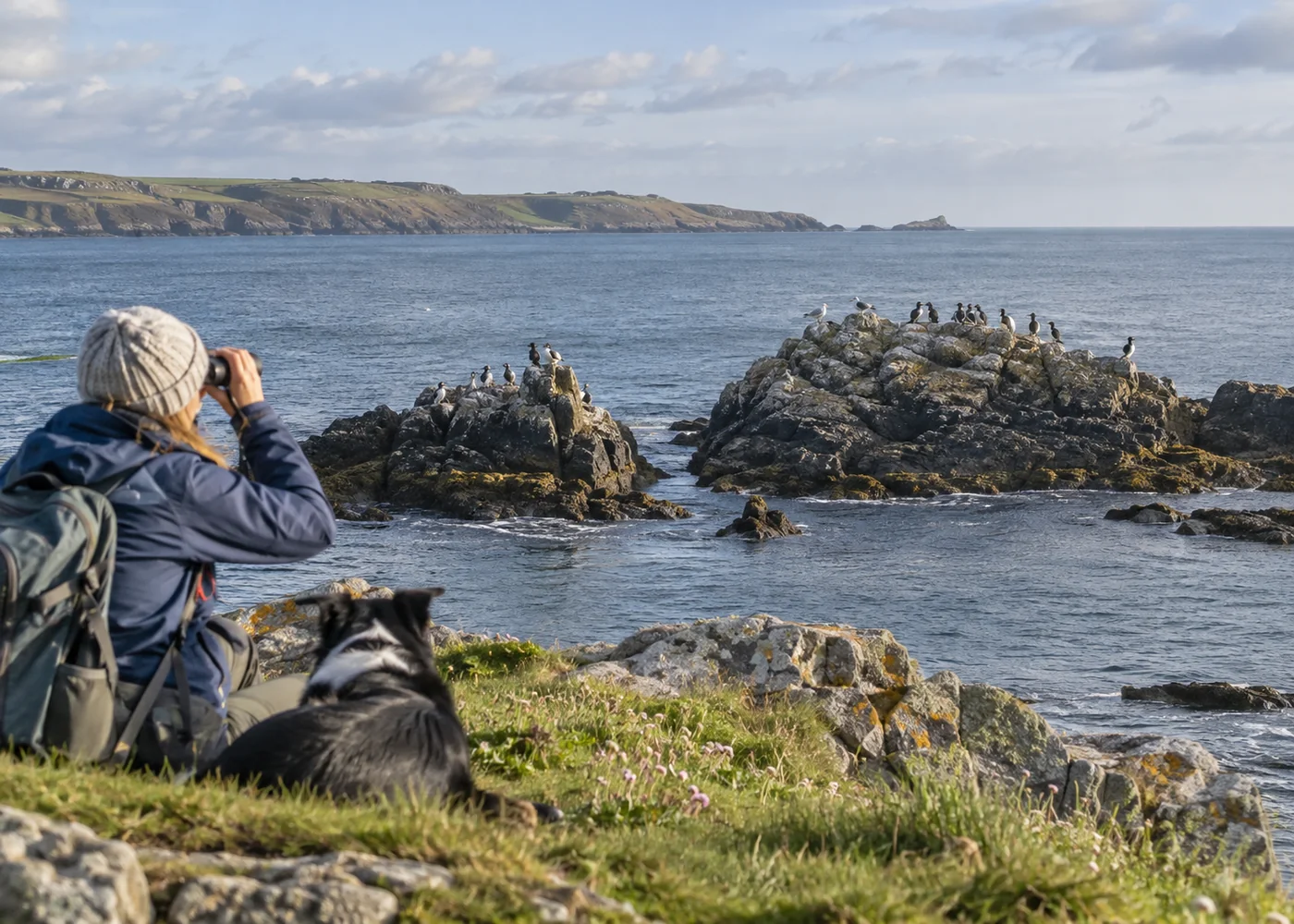
Choose a place intended for watching
Designated viewpoints and hides can make wildlife easier to observe without approaching it. Look for current information from the site manager, including seasonal restrictions. A location may be open generally while particular areas are closed to protect animals at sensitive times.
Bring binoculars if you have them, or use the camera's zoom from an appropriate position. You do not need a close portrait for the encounter to be worthwhile. A wider view can show the animal's relationship with the shore and give a stronger memory of the place.
Avoid building the day around a guaranteed sighting. Wildlife does not follow a visitor timetable, and a quiet visit can still offer an interesting landscape. Choose somewhere you would enjoy even if the hoped-for animal remains out of view.
Let behaviour guide your response
England's Marine and Coastal Wildlife Code advises giving animals plenty of space and moving farther away if they show signs of disturbance. Birds moving away or seals becoming alert can indicate that your presence is affecting them. Do not wait for an animal to flee before reconsidering your position.
Keep noise low, do not feed or touch wildlife and avoid surrounding it with a group. Follow local guidance for the species and place. If travelling with a dog, check restrictions and keep it appropriately controlled rather than assuming a quiet shore is unrestricted exercise space.
Children can enjoy watching from a distance when the aim is clear. Ask what the animal is doing rather than how near they can get. A short observation followed by a conversation often works better than expecting prolonged silence or a perfect photograph.
Keep equipment secondary
Set up a camera or binoculars where you are not obstructing a path or encouraging others to crowd closer. If the view is limited, accept it. A tripod does not give priority over people moving through a public space, and a difficult angle is not a reason to enter a restricted area.
Leave natural objects and habitats undisturbed. Do not move stones, vegetation or other features to improve a picture. The visit should leave no trace that changes the place for the animals using it.
If you see an animal that appears injured or distressed, seek advice from the appropriate local wildlife organisation rather than attempting to handle it. Keep your distance while obtaining guidance. An unfamiliar situation calls for knowledgeable help, not improvisation for the sake of doing something immediately.
Agree on the purpose before arriving
If one person hopes for photographs and another wants a walk, decide how long the observation stop will last. A clear shared expectation prevents the group from spreading out or repeatedly approaching a viewing area to call someone back. Quiet, settled watching is easier when everyone knows what the stop is for.
Keep the account of the sighting accurate afterwards. An uncertain identification can remain uncertain; the experience does not become less worthwhile because you cannot attach a precise species name.
Remember the whole scene
Afterwards, note the setting, weather and behaviour as well as the species. Those details make a personal record more meaningful than a tally. You may remember a small group of birds feeding along the water more clearly than a hurried close photograph.
Keep the site manager's current viewing guidance with your notes if you expect to return. Record the date alongside any sighting, and avoid sharing a sensitive location in a way that encourages a crowd to approach animals. A wider photograph can convey the visit without directing others to a vulnerable spot.