A lakeside outing without a packed itinerary
A lake can anchor a whole afternoon without a boat trip or a complete circuit. Choose one comfortable stretch and build the day around its view.
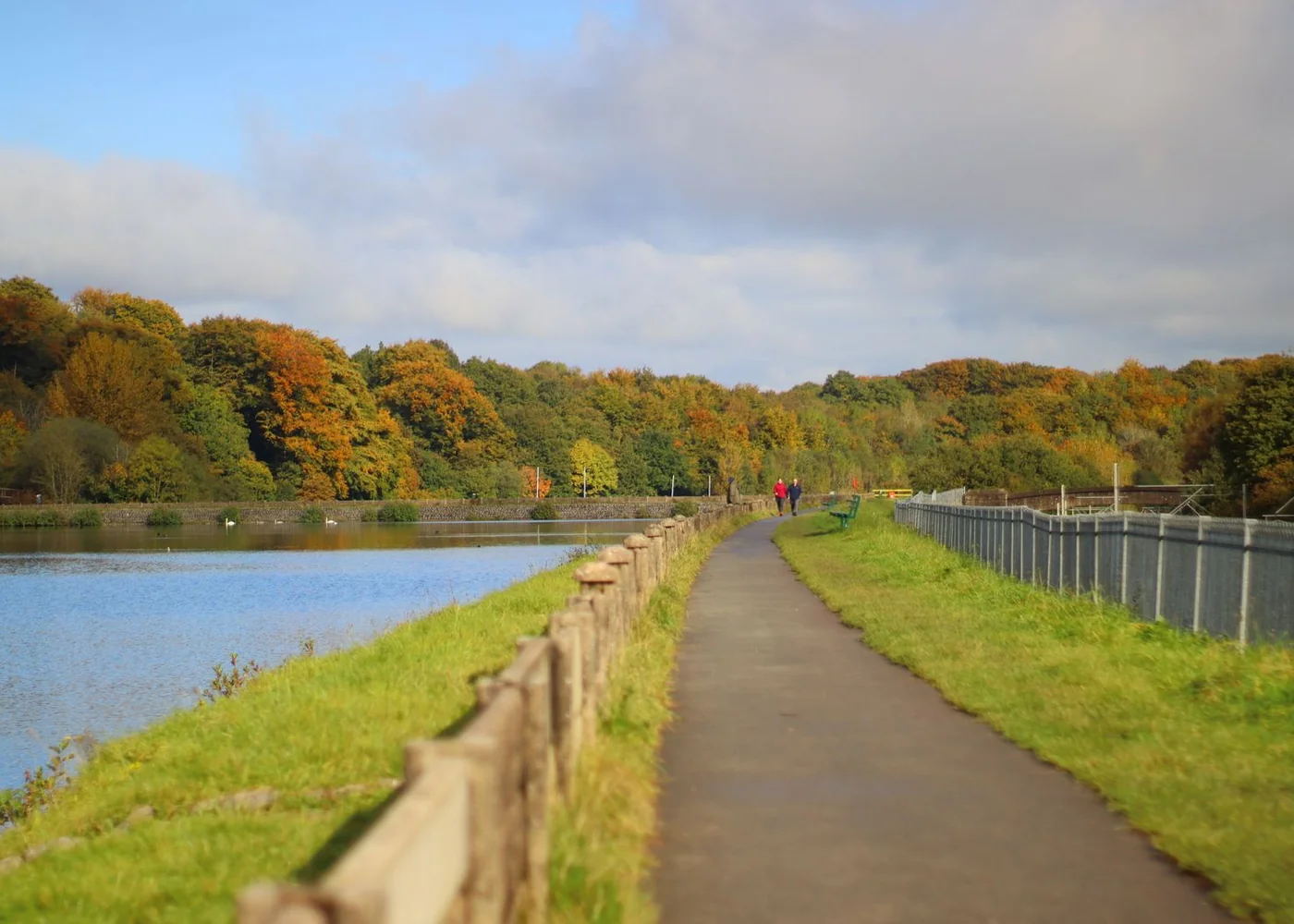
Decide what draws you to the water
For some people, a lake outing means a walk. For others, it means sitting with a view, taking photographs or eating lunch somewhere different. Clarify that before choosing the location. A long shoreline route is not a substitute for accessible seating, and a busy visitor area may not suit someone imagining a quiet hour.
Look for current information about the exact access point you plan to use. A large lake can have very different conditions around its shore: woodland paths, private land, steep approaches or developed areas. The general name of the lake tells you little about the particular afternoon you will have.
Choose a base for the outing that provides the facilities you actually need. Toilets, parking and a suitable path may matter more than reaching the most famous view. If someone needs step-free access, look for specific route details and contact the manager where information is incomplete. The word lakeside does not describe a surface or gradient.
A full circuit is optional
Maps encourage the idea of going all the way around. In practice, that can turn a gentle outing into a much longer walk, sometimes with stretches away from the water. Read the complete route before committing. If the main pleasure is the shoreline, a shorter out-and-back section may offer more of it with less effort.
Set a comfortable turning point and allow time to pause. A bench, a public viewpoint or a sheltered place to look across the water can give the walk enough shape. There is no need to reach a named landmark if the group is already enjoying where it is.
Keep the conditions in mind. Wind can make an exposed shore feel colder than the cottage garden, and rain can affect path surfaces. Check local notices and choose another route if the planned one is unsuitable. A lake's calm appearance from a distance is not a complete account of the conditions beside it.
Give lunch a practical place
If you want to eat at a café, check its current hours and location relative to the walk. A facility on the opposite shore may be much further away than it appears. Avoid ending a long route with the discovery that lunch requires another substantial journey.
A picnic can keep the day flexible where permitted. Pack food that is easy to serve and carry back all waste. Choose an appropriate place rather than spreading across a narrow path or access point. A compact picnic is often more comfortable than transporting a large amount of equipment for a short stop.
Think about the sequence. Walking first and eating afterwards may suit a group that wants a clear reward at the end. A short walk after lunch may suit people who prefer a slower start. Neither needs to become a rigid schedule, but agreeing on the broad plan avoids hunger making the decisions later.
Leave water activities as separate choices
Being beside a lake does not automatically mean swimming, paddling or hiring a craft is suitable or allowed. Research any activity separately through the relevant operator or land manager. Do not infer permission or safety from seeing someone else in the water.
If a boat trip appeals, check its current operation, boarding arrangements and what happens when weather affects departures. A short sailing can be enjoyable, but it need not become essential to the day's success. Keep a shore-based plan that you would still be happy to follow.
For a mixed group, allow different levels of activity where practical. Some people may take a longer established walk while others remain near the visitor area. Agree on a clear meeting place and time, and make sure everyone has what they need. A shared outing does not require identical mileage.
Return before the day becomes tiring
The journey back to the cottage can be part of a relaxed afternoon if you leave enough margin. Stop for groceries only if it is convenient; do not automatically add another destination because it lies somewhere along the route. A lake visit often works best when it remains the day's main event.
What stays in memory may be the change in light across the surface or a quiet conversation on a bench. Those things need time more than they need an ambitious plan. Leave space for them, and a relatively small stretch of shore can feel like a full day out.