A small museum can change a village visit
A small museum can explain the ordinary details of a place: its work, homes and journeys. Give it enough time to tell one good story.
Look for the local connection
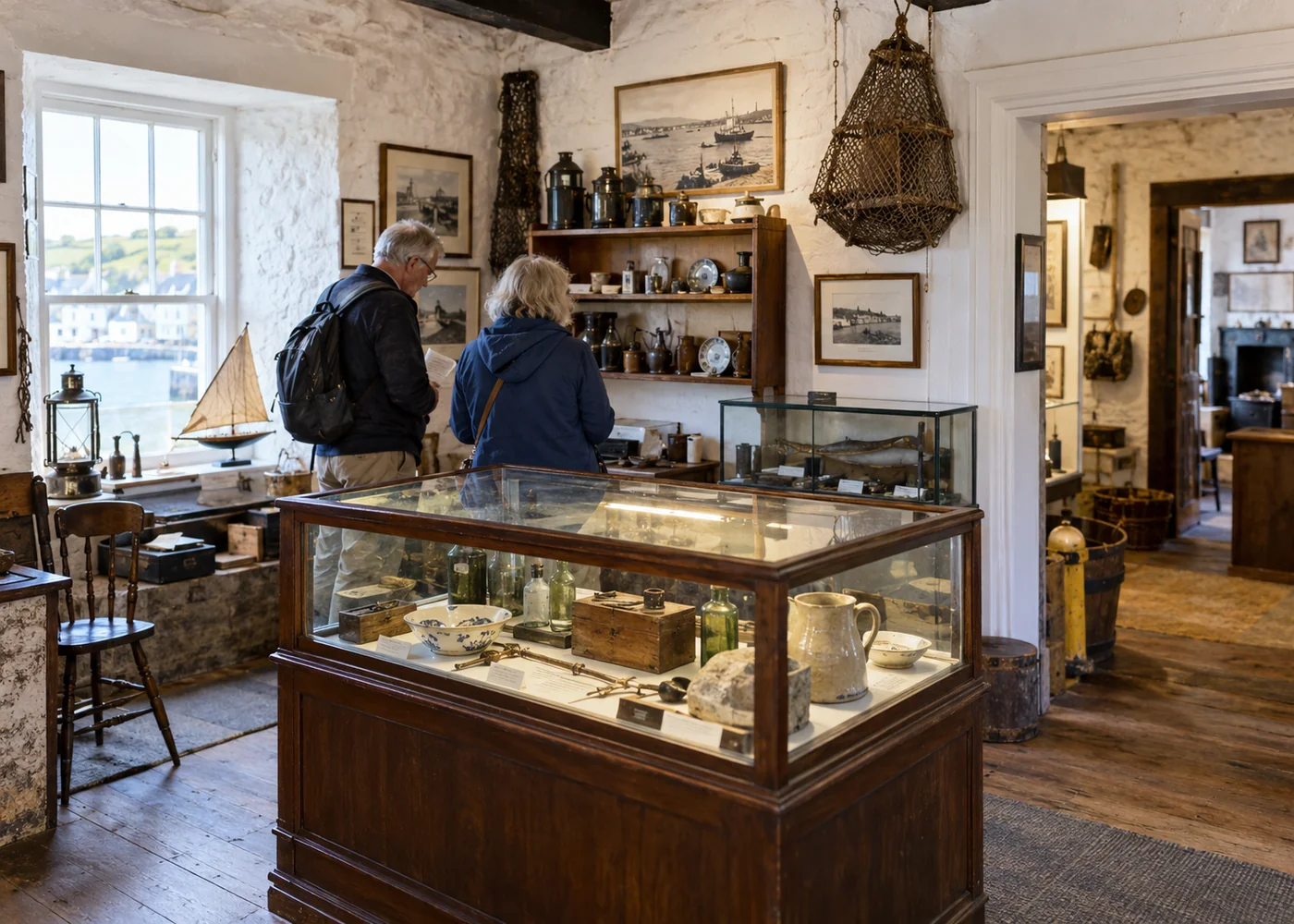
A modest museum can make a village or town more interesting than a large attraction with little connection to the area. Tools, household objects and old photographs often show how people used the streets you have just walked through. The scale can be an advantage: there is less pressure to cover a vast collection.
Check current opening hours carefully. Small museums may have limited days or rely on volunteers, and seasonal arrangements can change. Look for access information too if stairs or prolonged standing would affect the visit. A historic building can be part of the appeal while also shaping what is accessible.
Before entering, think of one question about the area. What work once supported it? Why does the town have a station in that position? What was a large building on the main street used for? You do not need the answer in advance. The question gives the displays a useful thread.
Follow what catches your attention
There is no requirement to read every label. Spend longer with an object or photograph that makes sense to you, then move on. A collection of ordinary kitchen equipment can say as much about daily life as a more dramatic exhibit. Comparing familiar objects with older versions is often an easy way for different generations to enjoy the same display.
If staff or volunteers are available, a specific question can start a helpful conversation. Remember that they may be assisting others or working with limited resources. Ask rather than expect a personal tour, and follow any rules about photography or handling objects.
Keep the visit manageable for the group. Someone who enjoys reading may want longer than a child or companion who prefers looking. A planned meeting point or a short break can prevent the outing from becoming a test of patience.
Step outside with one new detail
Afterwards, revisit a street or building connected with what you saw, if it is nearby and publicly accessible. The museum's story can make an otherwise ordinary walk feel different. Avoid trying to turn every historical reference into another stop on the same afternoon.
A small museum succeeds when you leave understanding something you had not noticed before. That is a more useful measure than the number of rooms visited or the amount of time spent inside.