Returning to the same cottage area
Returning to a familiar cottage area removes some planning and creates room for smaller discoveries. Keep a few favourites without demanding an exact repeat.
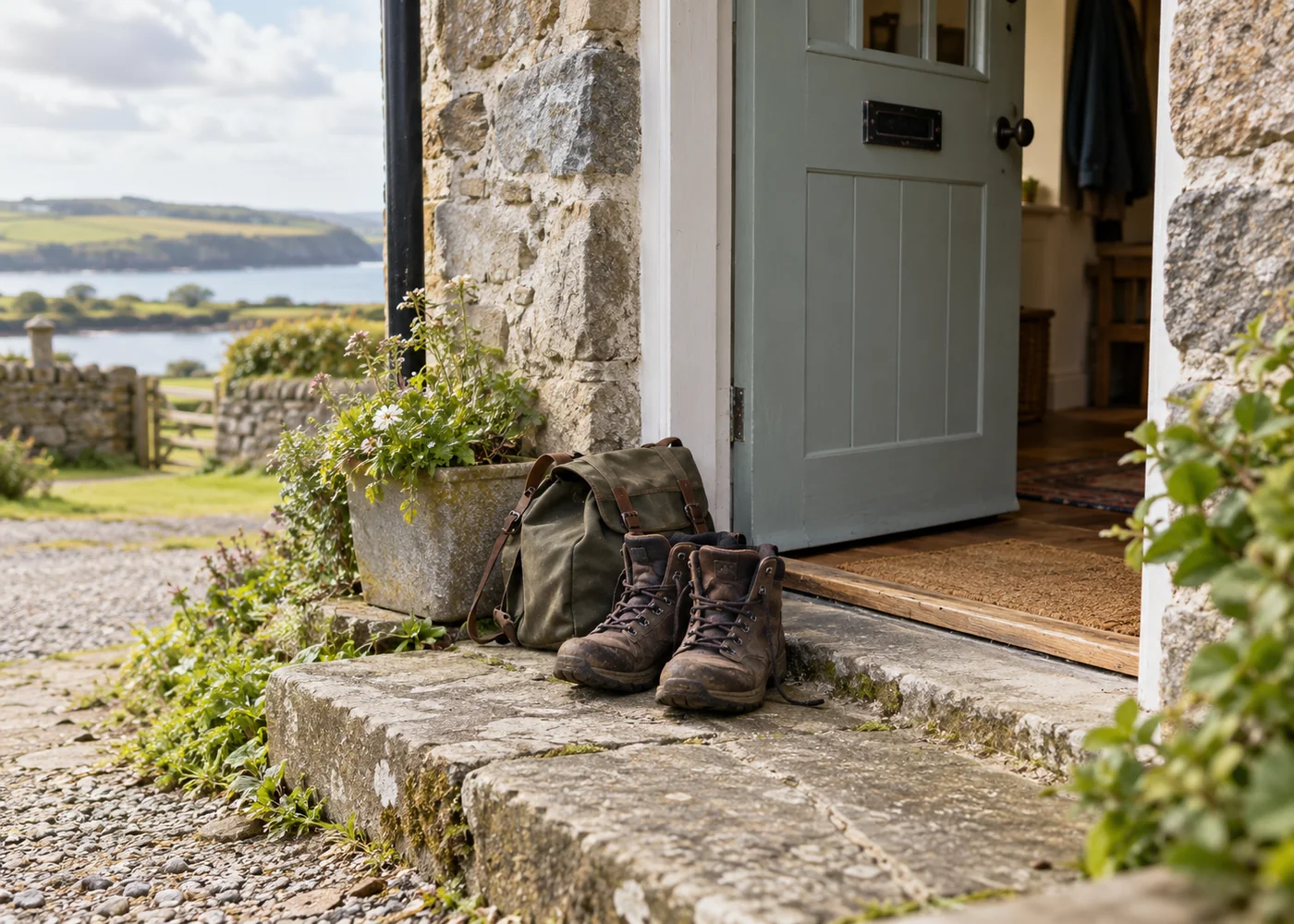
Familiarity can be useful
On a second visit, you may already know where to buy breakfast, which road is easiest and how long a favourite walk feels. That practical knowledge can make the first day unusually relaxed. You are not spending the opening hours of the holiday learning where everything is.
There is no need to defend returning instead of exploring somewhere new. A place can suit a particular stage of life, a group of people or a style of break. Knowing that the area offers what you enjoy is a reasonable reason to go back.
Still, check current details. Shops change, routes close and opening hours move. Treat memory as a useful starting point, not a substitute for updated information. This is especially important when one favourite business or outing is central to the plan.
Keep one anchor and change one thing
Choose a familiar activity you genuinely want to repeat. It might be the first morning's walk or a meal in the village. That gives the return a sense of continuity without making every day a reenactment.
Then leave room for something different: another nearby village, a garden you missed or simply more time at the cottage. A small change can reveal a new side of an area without requiring a much larger itinerary. You do not need to exhaust the local attractions to justify another stay.
If travelling with different people, explain what you liked before without insisting they experience it in the same way. A route that suited two adults may need adjustment for children or someone with less walking stamina. The place is familiar, but the holiday is new.
Keep a short practical note for next time
After the stay, record the things that would genuinely help a return: the easier arrival route, a shop you used and a walk that suited the group. Mark dates where details could change. This is more useful than a long list of places you felt obliged to visit but did not enjoy.
Record what you would do differently as well. Perhaps the first evening needed a simpler meal, or a particular outing was too much after the drive. A return trip gives you the opportunity to improve those details rather than repeating them out of habit.
Leave the note brief enough that you will read it. The aim is to reduce planning, not build an archive that turns a familiar holiday into another administrative task. Keep the few things that made the place comfortable and let the rest remain open.
Let the memory remain a memory
Weather, mood and timing will not reproduce themselves exactly. A wonderful previous evening may have depended on details you cannot arrange again. Enjoy the chance of another good evening rather than measuring the present one against a photograph.
The reward of returning is often quieter than the excitement of a first visit. You notice a different path, recognise a view or settle into an ordinary routine more quickly. That can be enough. A holiday area does not lose its value because you already know the way to the shop.