Looking beyond the postcard in a stone village
Stone villages are easy to admire in a photograph. On a visit, look for the small differences that make one place distinct from the next.
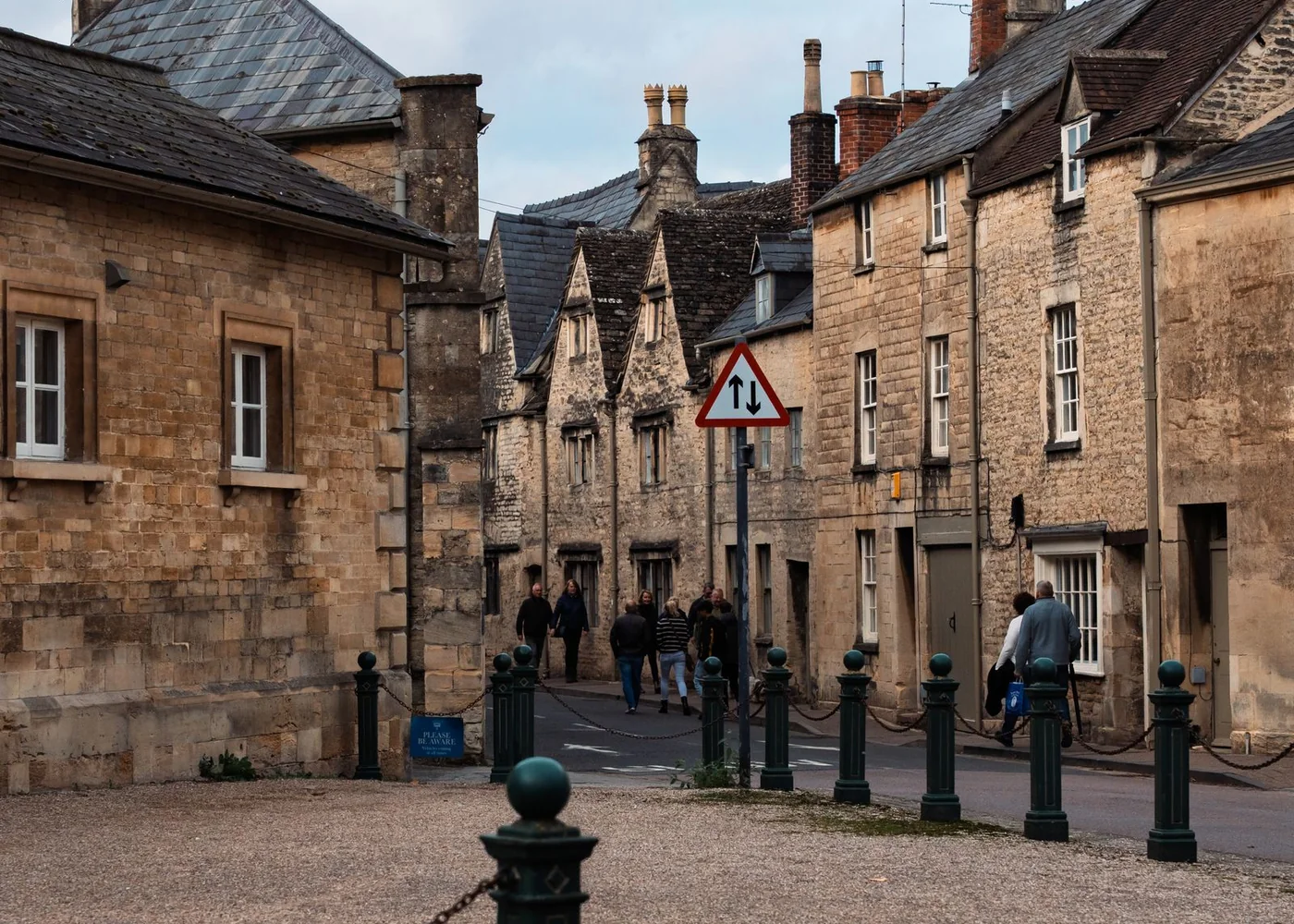
Read the street slowly
At first glance, a village built from similar stone can seem wonderfully uniform. Walk a little more slowly and the differences emerge: a repaired doorway, a larger former shop window, a wall built from rougher pieces. Those details show that the place has changed over time rather than arrived as a finished scene.
Start with a short public route through the centre. There is no need to search every lane for the most photographed house. A green, a churchyard or an ordinary row of cottages can provide plenty to look at. Public interpretation, where available, may explain why the village developed in its particular shape.
Keep the distinction between streets and private spaces clear. A picturesque courtyard may be residential, and a narrow lane may serve driveways rather than visitors. Follow signs, avoid blocking entrances and be thoughtful about photographs near windows. People living there should not have to make room for a permanent photo session outside their homes.
Give the visit another purpose
A village often becomes more enjoyable when the outing includes something beyond looking at buildings. Buy lunch ingredients, visit an open exhibition or take a suitable short walk from the centre. That gives the day a natural rhythm and reduces the temptation to treat every doorway as the next attraction.
Check practical details before travelling if you need a particular shop or café. Small places can have limited opening hours, especially outside busy periods. Bring a simple alternative rather than expecting the village to provide every facility at every time.
If you arrive when the main street is crowded, consider a quieter permitted route or another time of day. Do not solve a parking problem by leaving the car across access points. A place that is attractive to visit still needs to function for residents, deliveries and ordinary work.
Look for changes in use
A former shop may now be a house, while an old workshop may contain a café. Where public information explains those changes, it can make the street more interesting than a simple collection of attractive façades. Avoid guessing from appearance alone; a large window is a clue to notice, not proof of a particular history.
Buying something useful or stopping for a meal also lets you experience the village in its present form. It connects the buildings to ordinary activity, which is often what gives a place its character. The past and the current day can both belong in the same visit.
Notice the setting around the stone
The relationship between the village and its landscape can be as interesting as the buildings. Does it follow a stream, sit on a slope or gather around a road junction? You can often see that pattern from a public viewpoint without needing a detailed history lesson.
On a longer stay, return briefly in different light or weather if it is convenient. The same street may feel entirely different on a quiet morning than during an afternoon visit. Familiarity can reveal more than adding another similar village to the itinerary.
The most memorable impression may be a small contrast: warm stone under a grey sky, a modern bicycle against an old wall or a busy shop behind an ancient frontage. Let those ordinary combinations remain part of the place rather than looking only for a view with everything contemporary removed.