Making the most of short winter days
Short days call for a different holiday rhythm. Put the outdoor part first, choose a manageable radius and make returning early feel like part of the plan.
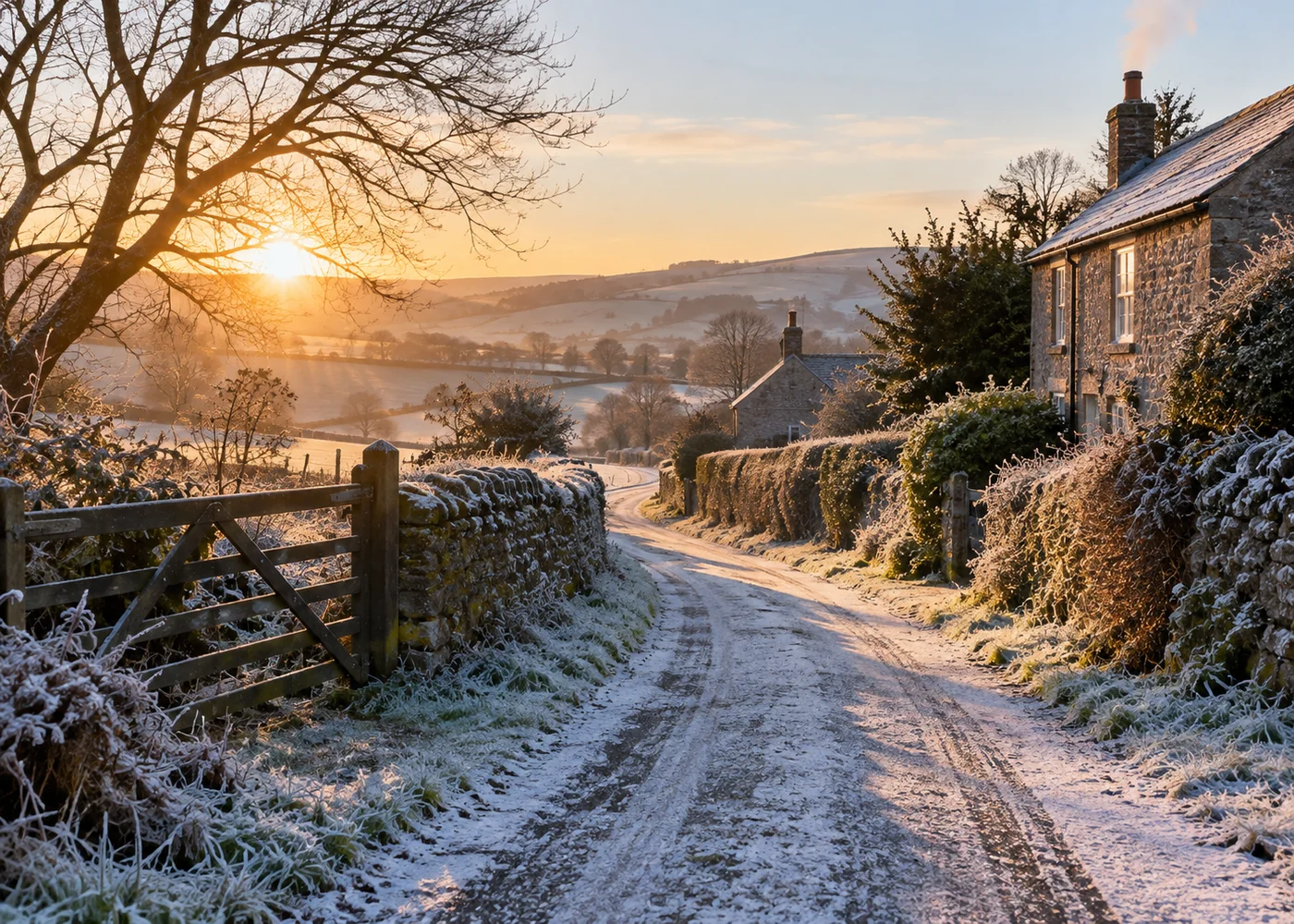
Move the main outing forward
A winter day can feel surprisingly full if the useful daylight is given to the thing you most want to do. Start with a nearby walk, a village visit or a garden that opens in winter, then have a later lunch. Reversing that order can leave you beginning the outdoor part just as the light is fading.
Check local sunset times and leave a comfortable return margin. If a route is unfamiliar, choose something modest and clearly described. A long drive also uses part of the day, particularly when the final approach is slow. Include the time spent finding parking and putting on walking shoes rather than counting only the advertised walk.
Do not make the first morning carry all the planning. Before travelling, identify one suitable nearby outing and an indoor alternative with current opening hours. That is enough to begin. You can adjust later once you understand the area and the weather.
Shorter can be more enjoyable
Cold, wet or slippery conditions can change how a simple walk feels. Use current local information and be ready to substitute a shorter route. A village circuit with a warm stop may be a better afternoon than a distant viewpoint reached in poor visibility.
Think about the return journey as well as the walk itself. If someone dislikes driving unfamiliar lanes in darkness, plan accordingly. Arriving back while there is still light can remove a source of tension without requiring an unusually early start.
Pack for the outing you actually choose. Spare dry layers and suitable footwear earn their place more readily than equipment for an ambitious walk nobody intends to do. Leave muddy items where the cottage guidance permits, so that coming home does not create a trail of wet clothing through the rooms.
Give everyone a return time
Agree on a broad time to be back before setting off, particularly if members of the group have different habits. One person may regard an extra mile as a small addition while another is already anticipating the drive home. A shared limit makes it easier to choose a turning point without argument.
If you split into different outings, make sure everyone has a key and a clear meal plan. The shorter walk should not end with someone waiting outside the cottage while the longer group explores another village. These practical details are small, but they determine whether a short winter day feels cosy or inconvenient.
Keep the evening's supplies ready. Returning to discover that dinner requires another drive can undo the benefit of having planned the daylight carefully.
Give the evening a purpose of its own
An early return is easier to enjoy when there is something you want to do at the cottage. Bring a book you are genuinely looking forward to, a familiar game or ingredients for a straightforward meal. Avoid relying entirely on an internet connection or television service you have not checked.
If eating out matters, confirm winter food-service hours before leaving the cottage. A pub can be open without serving dinner every evening. Having a simple meal available at home gives you flexibility if plans change.
Before settling in for the evening, put route notes and suitable clothes ready for the next morning. That leaves breakfast free of a fresh search through bags and websites. If the forecast changes overnight, you already have the information needed to switch to the shorter or indoor option.