Check the right stretch of beach for your dog
A coastal town may welcome dogs while individual beaches have different conditions. Check the exact access point and dates for the stretch you intend to use.
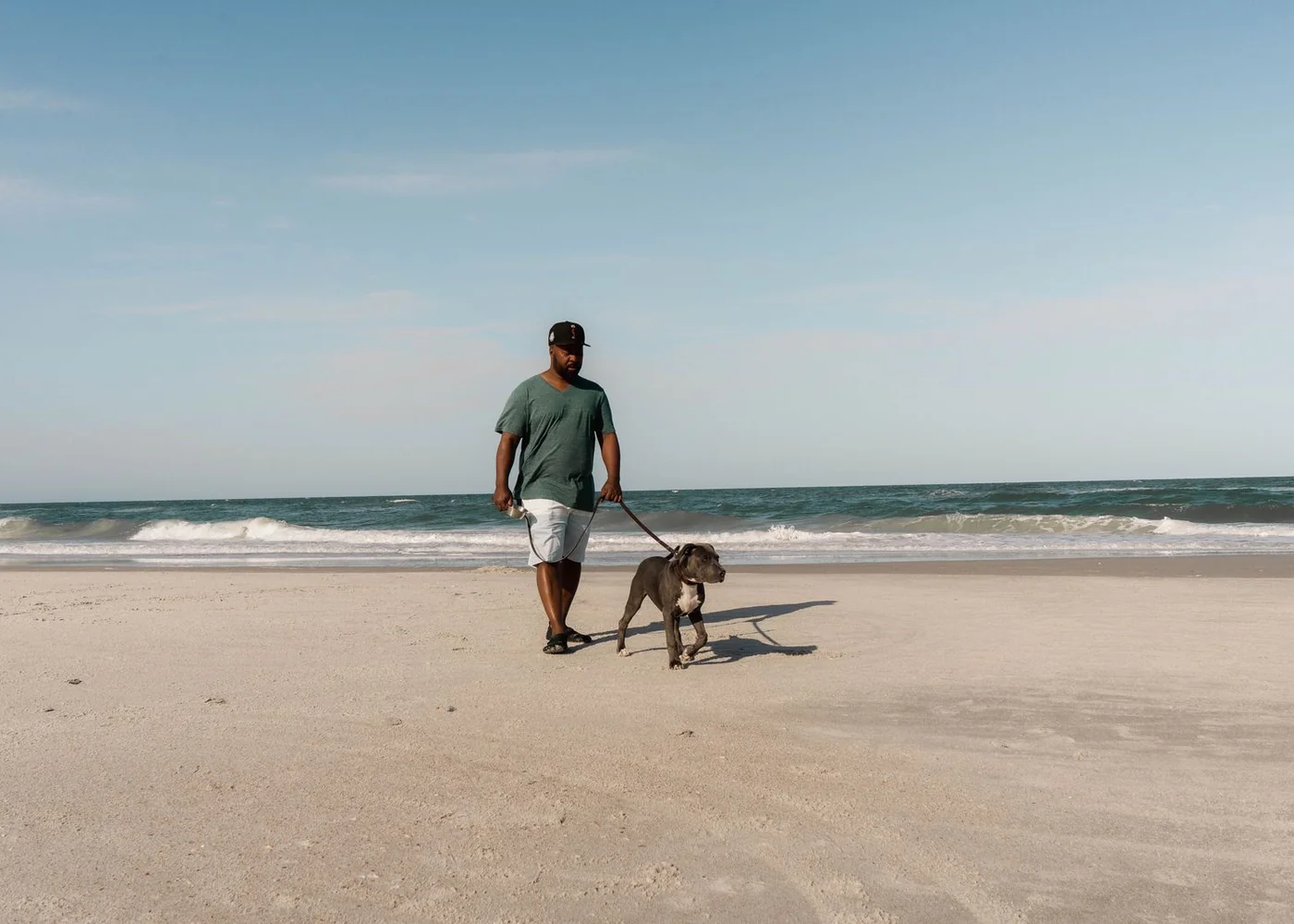
Begin with the beach name, not the town
Search the local authority or official beach information for the specific beach you plan to visit. A broad destination page may group several bays together even though the rules differ between them. Check a map of the restricted area if one is supplied, and relate it to the entrance or car park you will actually use. A few hundred metres can put you in a different section.
Read the dates and wording carefully. Seasonal restrictions, lead requirements and complete exclusions are different things. Do not rely on a blog post from a previous summer or assume that an off-season visit removes every condition. Where current information is unclear, contact the responsible authority before building the day around the beach. The cottage host may offer helpful local knowledge, but the official source is the better place to confirm the rule.
Check the route to the sand as well. A promenade, landscaped garden or access path may have its own conditions, and a dog-friendly beach can be reached by stairs that do not suit your group. The walk from parking is part of the outing. Look for a workable arrival and return rather than treating the beach itself as the whole plan.
Save the relevant map and current information in a form you can consult at the destination. An access point may have a different local name from the one on your accommodation's suggestions sheet. Matching the beach, entrance and restricted area before travelling makes the information easier to use. Share it with another adult if the group might split up, so nobody assumes that a nearby stretch follows the same rule.
Choose the outing your dog will enjoy
Consider crowds, other dogs and the distance back to the car or cottage. A large open beach is not automatically a comfortable environment for every dog. You might prefer a short visit at a quieter time, followed by a walk elsewhere, instead of a full day on the sand. Keep the plan proportionate to the dog's usual routine and the actual conditions.
Do not make water activity essential to the visit. A beach can offer a change of scene without swimming, and local conditions require more knowledge than a general holiday article can provide. Follow current safety information for the location, keep clear of wildlife and do not encourage the dog to approach animals on the shore. If you have questions about your dog's health or suitability for an activity, ask your vet in advance.
Pack fresh water, the normal lead, waste bags and a suitable towel where you can reach them. Think about where sandy equipment will go afterwards. A bag for used towels and a clear plan for the cottage entrance are more useful than discovering that the whole boot has become the drying area. Check whether the accommodation has an approved outdoor wash point before assuming one will be available.
Keep lunch and the return practical
Confirm that your intended café or pub allows dogs in the area you need. Outdoor tables are not a reliable all-weather plan, and a dog-friendly sign may apply only to part of the premises. Have another suitable option if the venue is full or the weather changes. Do not let a restaurant reservation become a reason to leave the dog somewhere unsuitable.
Before setting off, check the current forecast and local beach information, including relevant access warnings. Plan a return that leaves time for cleaning kit and settling back at the cottage. A beach visit need not take the whole day to be worthwhile. Sometimes a shorter outing fits better with the house rules, the dog's routine and the rest of the group.
Read the signs when you arrive
Online preparation is useful, but current signs at the location still matter. If the information differs from what you expected, follow the restrictions and seek clarification rather than assuming an older page is the correct one. Choose another permitted stretch or another activity when needed. Having a second plan removes the pressure to make the first one work at all costs.
Leave no waste or equipment behind and be considerate around other visitors. Keep the dog under control even where access is allowed; permission to visit is not permission to interfere with other people's day. A good coastal outing is one that you can enjoy comfortably within the actual conditions, then leave without a complicated clean-up or disagreement about where you were allowed to be.