Leave together without a frantic final morning
Agree the leaving time and divide the final jobs before the last morning, so checkout does not become a house full of people asking what still needs doing.
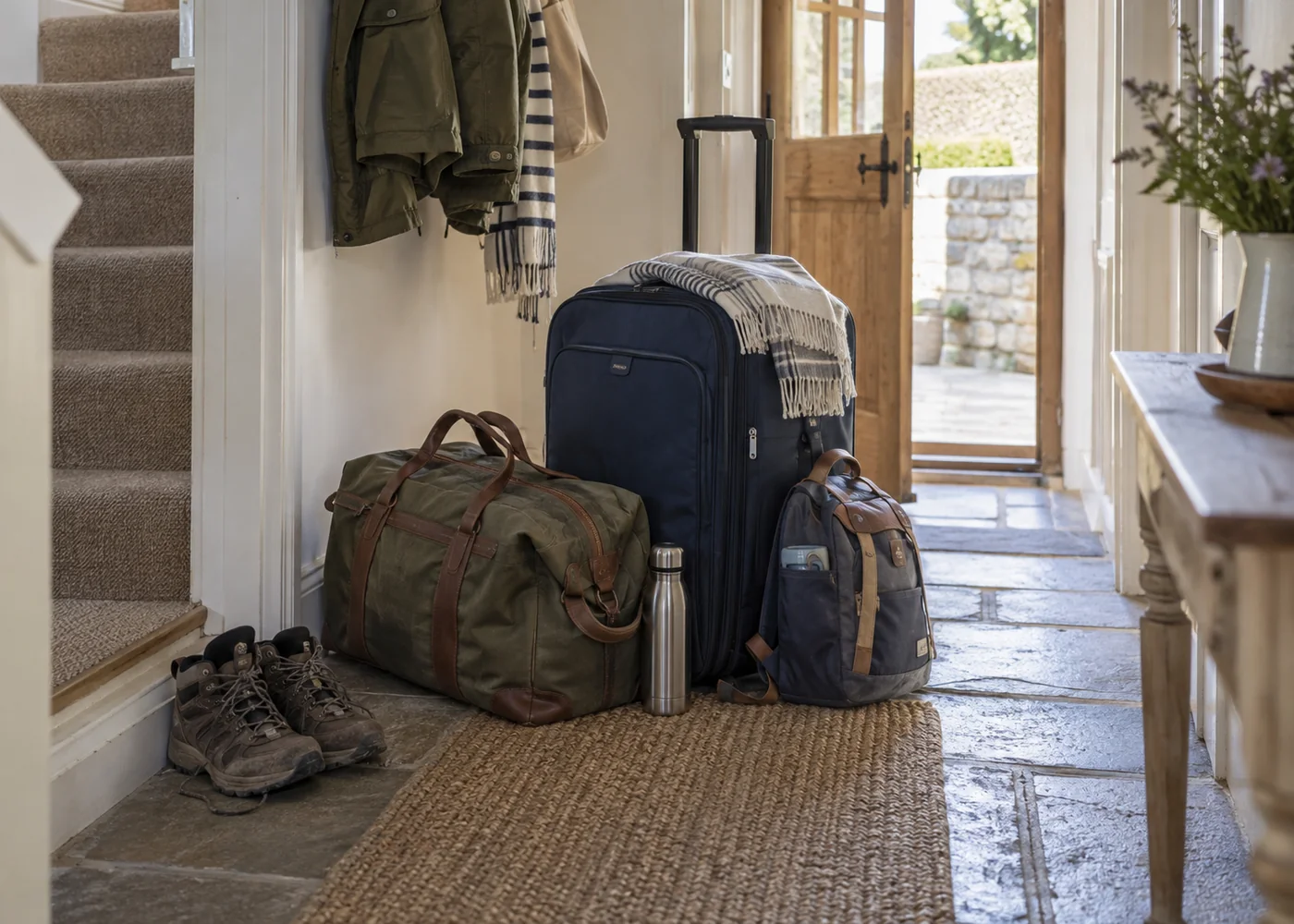
Read the actual instructions
Check the host's departure requirements while there is still time to ask about anything unclear. Note the checkout time, key arrangement and expectations for waste, linen and appliances. Do not replace those instructions with assumptions from a previous cottage. One host may ask for a particular task that another does not, and unnecessary work can consume the time you need for the basics.
Share the relevant details with the group in one short message. Give each household responsibility for its own rooms and belongings, then allocate communal jobs explicitly. The kitchen, garden and key return are easy to overlook because everyone thinks somebody else is handling them. A named person for each task is usually enough; there is no need for an elaborate rota.
If one person paid the booking, they may also be the person expected to return keys or answer a host's message. Separate that administrative role from the cleaning tasks so it does not quietly add to a full list of other jobs. Another guest can take the kitchen or final room check. Sharing the last responsibilities fairly is easier when they are named before people begin leaving.
Pack the things you no longer need
The evening before, gather spare clothes, games, chargers not in use and outdoor equipment. Check drying places for wet items and pack them appropriately for the journey. Leave only the essentials for the night and breakfast accessible. This reduces the number of decisions waiting in the morning without making the final evening feel as though the holiday has already ended.
Decide what will happen to remaining food. Follow the property's instructions about leaving items, and agree who takes shared supplies. Avoid beginning a complicated final breakfast that creates a new pile of pans just before checkout. Something straightforward can still be pleasant when the table is not surrounded by open suitcases and unexplained shopping bags.
If the group is leaving at different times, clarify access and key responsibilities with the host's arrangement in mind. The last person should know what remains to be done, rather than inherit every shared task by default. Early departures can complete their own jobs beforehand and leave communal areas ready for the people still using them.
Put a small collection point near the packing area for unclaimed items found in shared rooms. Ask people to check it before their car leaves rather than sending every discovery to the organiser's bag. Chargers, playing cards and small clothing items are easier to return while everyone is present. Keep the collection clear of the entrance so it does not become another obstacle during loading.
Keep the final circuit organised
Once rooms are packed, check sockets, drawers, the backs of doors and spaces beneath beds for personal items. Look in the garden or porch for toys and equipment used outside. Each household should make its own search, followed by a brief shared check of communal areas. This is more effective than everyone walking through the same sitting room while a bedroom remains unchecked.
Keep children, dogs and open doors in the plan while cars are loaded. Agree who is responsible rather than assuming the group itself provides supervision. Leave routes clear of bags and avoid blocking shared access with vehicles. If the parking arrangement is tight, load in an order that works for the property rather than moving every car at once.
Finish with the key and any requested message to the host. Confirm that the responsible person has completed this before the group disperses. A calm departure does not require leaving the cottage cleaner than anyone asked; it requires the stated tasks, your belongings collected and enough time to do both without a final rush.