Finding out how a cottage stays warm
For a cool-weather stay, find out how the whole cottage is heated rather than letting one inviting fireplace answer the question.
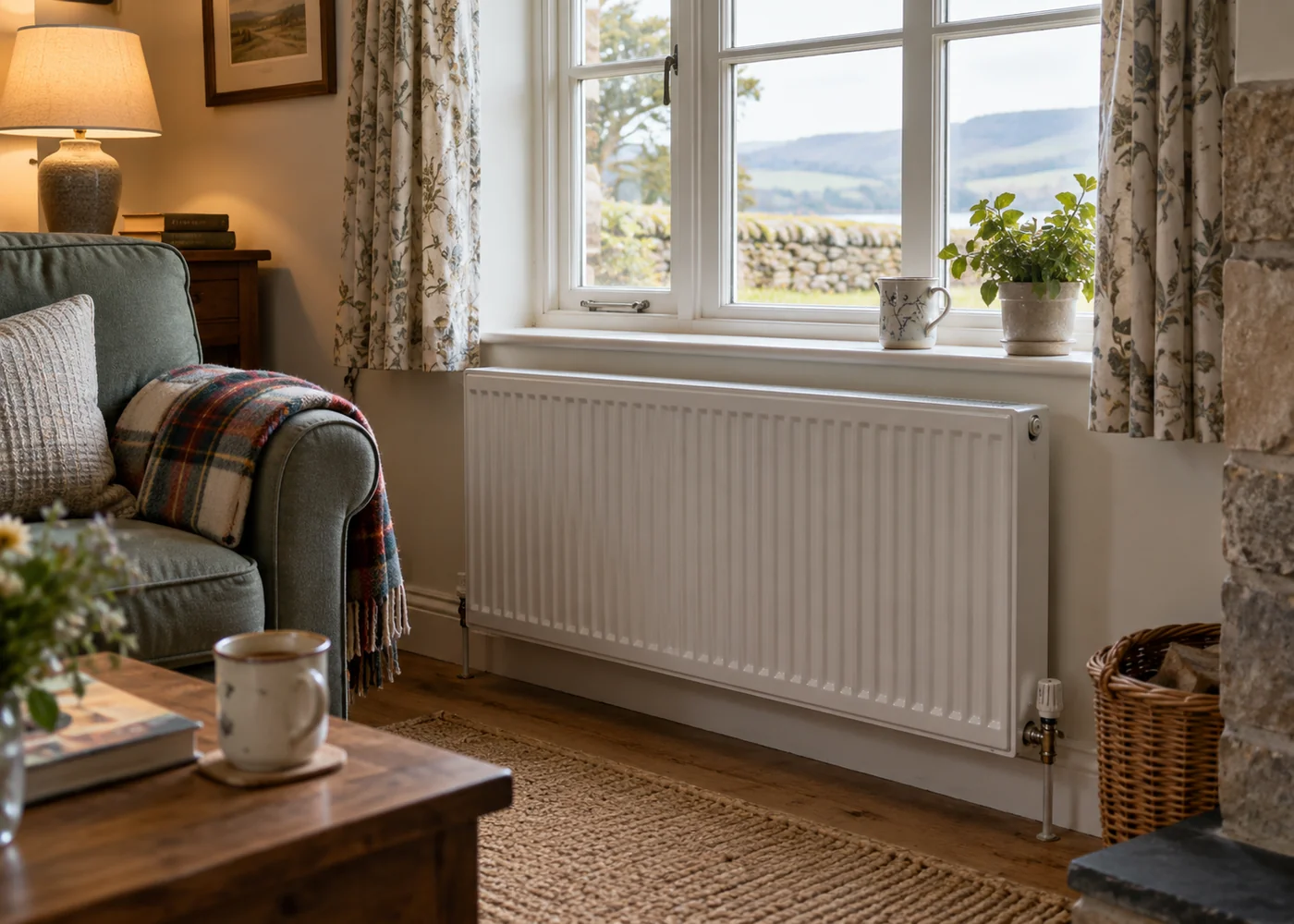
Ask what warms each room
The photograph of a stove tells you that a stove exists. It does not tell you whether bedrooms, bathrooms and the kitchen have other heating. Read the facilities description, then ask for a simple explanation of the system if the arrangement is unclear. You want to understand normal guest use, not obtain a technical survey.
A cottage may combine several forms of heating. The important point is how they work together in the rooms you will use. Ask whether there are any areas that normally feel cooler and what guidance guests receive on the controls. An honest description is more useful than a blanket promise that the property is always warm.
If one guest particularly needs a comfortable room during the day, mention that when enquiring. A stay built around long walks differs from a stay where someone will read indoors for hours. The same heating routine may feel adequate for one group and inconvenient for another.
Separate atmosphere from necessity
A wood burner can be a pleasure to use, but decide whether you want to depend on it. Ask whether it is supplementary or essential to heating the main living area. If nobody in the group wants to manage a fire, a cottage with straightforward background heating may be a better choice.
Check whether fuel is supplied and what happens after any starter amount is used. Use only the fuel and procedures specified by the owner and appliance instructions. Do not assume that wood found outdoors or brought from elsewhere is appropriate. These details belong in the decision before arrival, especially for a brief winter break.
A fireplace shown in a photograph may also be decorative or unavailable for guest use. Confirm rather than planning an evening around it. The absence of a working fire need not be a drawback if the rooms are comfortably heated in another way.
Understand the controls without taking them over
Ask whether guests can adjust room temperatures and how the controls are explained. Some systems respond slowly, and repeatedly changing settings may make the experience less comfortable rather than more. Once there, follow the supplied instructions and contact the manager if the system does not seem to respond as described.
Avoid planning to bring extra heaters without discussing it. The property may not permit them, and improvised use can introduce risks or electrical demands the accommodation was not intended to support. A suitable heating arrangement should be part of the cottage you choose.
For any unfamiliar appliance, clear instructions are a reasonable expectation. They should explain what guests may change and who to contact. You should not need to investigate boilers, wiring or service cupboards to become comfortable.
Include the arrival and the weather
A building that has been empty can feel different from one already occupied, so ask how the cottage is prepared for arrival during colder months. This is particularly useful for a late check-in, when you want to settle rather than spend the evening working out controls.
Pack normal layers and indoor footwear that suit you, but do not treat heavy clothing as the answer to a property that cannot meet an essential comfort need. Equally, allow for the fact that an older cottage may feel different from a modern home. The aim is a realistic expectation, not an identical indoor climate.
Look at the living arrangement alongside the heating. Doors between rooms may help people use spaces differently, while a large open-plan area behaves as one shared environment. Ask about the normal routine rather than assuming the most visually impressive room will be the easiest one to make comfortable.
Decide what you are happy to manage
Some visitors enjoy tending a stove and spending evenings in one warm room. Others prefer simple controls and consistent comfort throughout the house. Neither preference needs defending; it should shape the shortlist.
Keep any important replies with the booking details. If the owner cannot explain the heating clearly enough for your needs, a different property may remove a continuing uncertainty. A winter cottage holiday is much easier when warmth is an understood part of the stay rather than a daily experiment.