Make a late arrival feel less complicated
A late check-in is easier when food, access and the last part of the journey have already been settled.
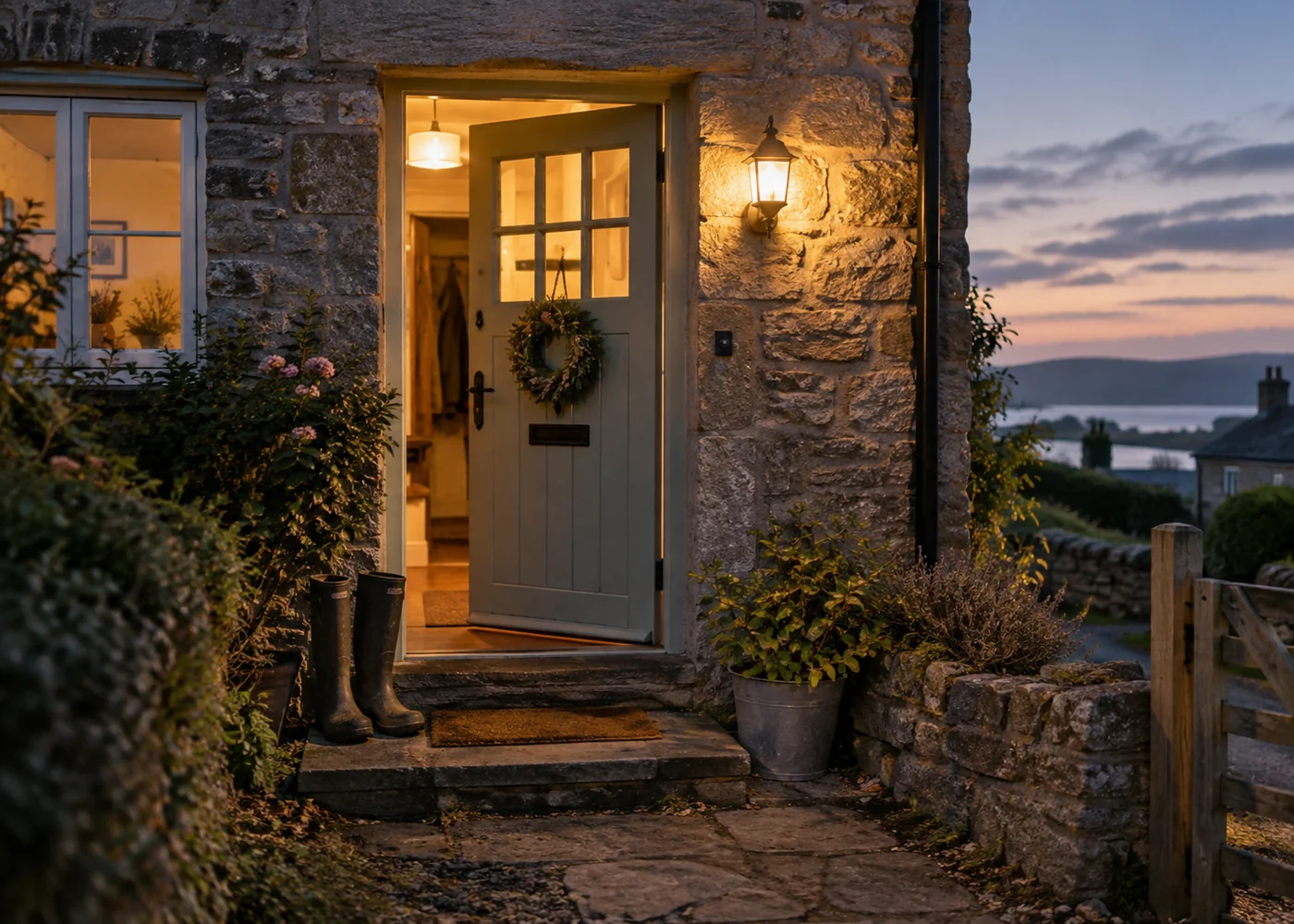
Confirm the arrival arrangement
Read the stated check-in window and ask whether your expected time works. Self check-in does not necessarily mean unrestricted arrival, particularly where the property is near other households or requires a shared gate to be opened.
Save the complete key instructions offline, including the property name and the correct entrance. If a code is sent shortly before arrival, check when to expect it and what to do if it has not arrived. Resolve this while the booking contact is available.
Tell the manager if your arrival time changes materially, using their preferred route. Keep the message practical and avoid sending updates so frequently that important information becomes difficult to find.
Make the final stretch simple
Read the owner's directions before the journey. A postcode may not identify the exact doorway, and darkness can make signs or landmarks harder to recognise. Ask for clarification about the entrance and parking if the instructions are ambiguous.
Keep a suitable light available for unloading if useful, but do not plan on searching the grounds or neighbouring entrances. If you cannot identify the property, contact the stated arrival support rather than trying access codes at similar doors.
Arrive considerately. Keep conversation and unloading noise modest, use the designated space and avoid shining lights into neighbouring windows longer than necessary.
Bring a small first-evening plan
Have an uncomplicated meal or a confirmed food option. Check current opening and delivery arrangements directly if you intend to rely on a business. “There is a takeaway nearby” does not establish that it will be serving at your arrival time.
Pack the things needed first where they are easy to reach: overnight items, essential food and the relevant instructions. Leave non-essential unpacking until morning if that makes settling easier, while storing everything safely and keeping routes clear.
Put food needing chilled storage away promptly according to its requirements. Do not let the simplicity of the evening depend on leaving it in the car overnight.
Do the useful checks
Locate the bathroom, bedroom, basic lighting and emergency information. Read instructions for anything you need immediately, such as heating, rather than experimenting when tired.
If a significant problem appears, report it through the property's stated process. For an urgent safety issue, follow the appropriate emergency guidance. Ordinary messages are not a substitute for emergency assistance.
A late arrival does not need a full inspection tour or elaborate meal. It needs a clear way in, a few essentials and a comfortable place to stop travelling. The rest of the cottage can introduce itself in daylight.