Settle into a cottage for more than a long weekend
A week or two in one place benefits from a few useful routines, while still leaving the days open.
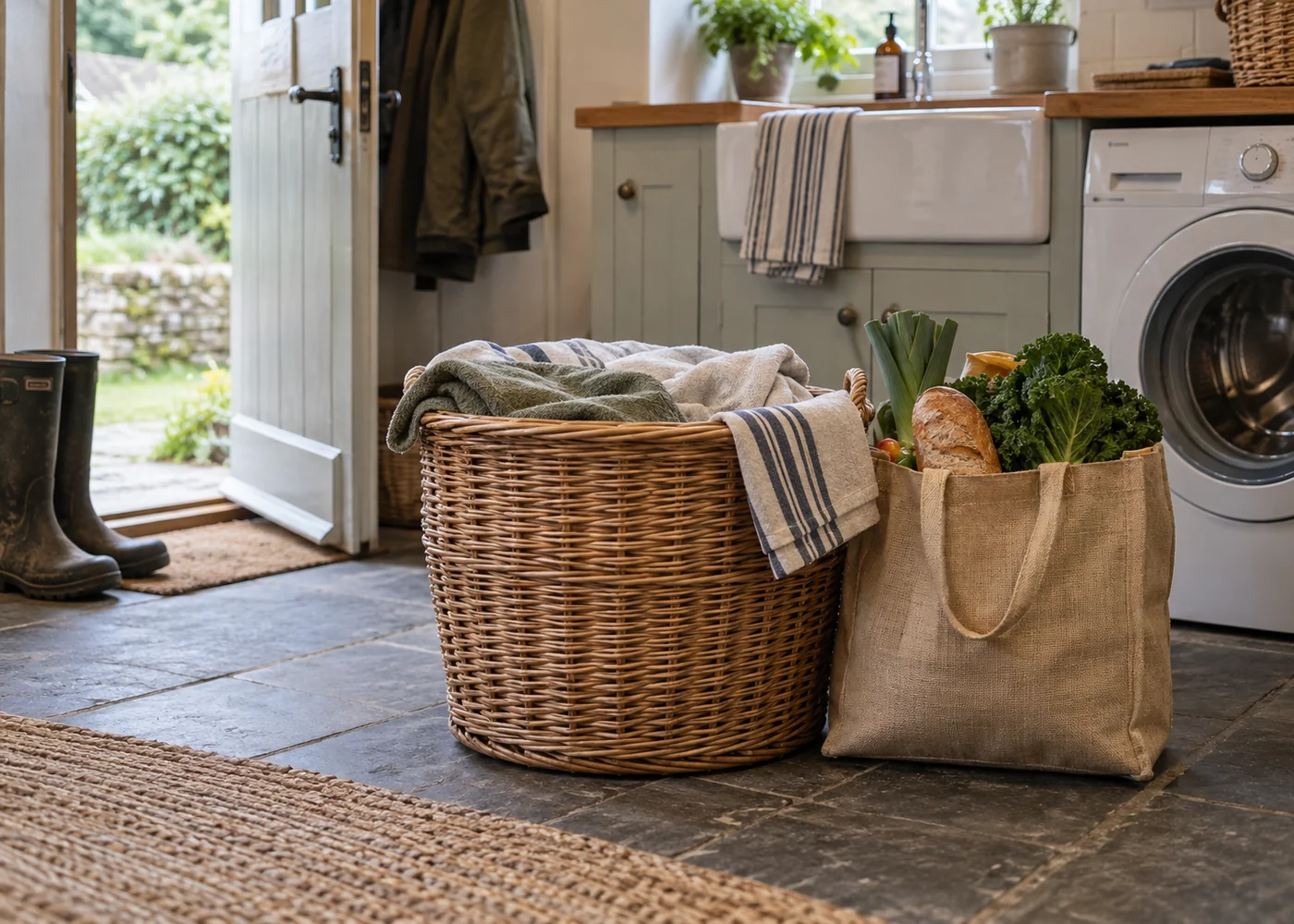
Unpack enough to live comfortably
For more than a weekend, keeping everything in bags can make each morning harder than it needs to be. Use the guest storage for clothing and personal items, leaving locked or reserved spaces alone. Keep empty luggage out of the main routes.
Give keys, chargers and outdoor kit predictable places. The arrangement does not need to resemble home exactly. It just needs to prevent everyday objects from circulating through every room.
Check the information folder for practical routines early: waste, heating, laundry, shared spaces and departure. Learning these once is easier than repeatedly asking the same question when a need becomes urgent.
Shop after seeing the storage
Begin with enough food for the first meals, then assess the fridge, freezer and cupboards before buying extensively. A long stay does not require one enormous shop. Smaller purchases can fit the kitchen better and adapt to changes in appetite or plans.
Choose a few flexible ingredients and leave room for local discoveries. Check current opening times for shops you may rely on, especially if the cottage is remote. Keep a modest backup for an evening when an outing runs late.
Agree how shared groceries are handled if several adults or households are travelling. A simple arrangement for contributions and ownership avoids confusion over what is communal and what someone bought for a particular need.
Understand laundry as a sequence
Find out how washing and drying work before the first large load. A machine may be shared, compact or paired with limited drying space. Read the supplied instructions and use the appropriate products.
Spread laundry sensibly across the stay rather than washing everything at once. Keep a margin of essential clothing in case drying takes longer than expected. Use only suitable designated spaces and do not cover heaters or crowd routes with an airer.
Keep worn clothing together so bedrooms remain usable. This small routine can make a compact cottage feel less cluttered without requiring constant tidying.
Leave room between outings
Consider how the cottage feels at different times of day. A table that is pleasant for breakfast may be busy or bright later, and a sheltered outside seat may be most useful in the afternoon. Let those observations shape small pleasures rather than chasing a packed list of experiences. Familiarity with the place can become part of the stay's value.
A longer stay gives you the option to do less on some days. Avoid treating every morning as a departure deadline. A slow breakfast or an afternoon at the cottage can be part of why staying in one place is worthwhile.
Make a short list of possible outings with current information from the relevant venues, then choose according to weather, energy and interest. You do not need to reserve every available day with an activity.
If people want different things, use the cottage as a comfortable meeting point rather than insisting on one shared programme. The layout and transport arrangements will influence how easily this works, so keep communication practical.
Look after the space without taking it over
Manage ordinary spills, food and waste during the stay rather than saving everything for checkout. Use the supplied instructions and suitable products. Report problems when they arise so the owner has an opportunity to respond.
Do not alter furniture, controls or equipment to recreate home. If a practical need is not being met, ask about an authorised solution. A longer booking does not turn guest accommodation into a place for unapproved repairs or rearrangements.
Respect any scheduled visits or shared-facility arrangements described by the owner. Confirm details if they affect your plans, and keep private belongings appropriately stored when access has been agreed.
Notice what you are actually using
After a few days, you may find that one room or route works better than expected. Adjust ordinary habits accordingly: use the quieter table for reading, shop on the way back from an outing, or prepare a meal earlier when the kitchen is free.
This is different from creating a strict routine. The aim is to remove recurring small inconveniences so the holiday feels less effortful.
Keep checking in with the group informally. Someone who has quietly done all the cooking or driving may need a different arrangement. A longer stay gives enough time for an unnoticed imbalance to become tiring.
Ease into departure
Review food and laundry a couple of days before leaving. Use suitable remaining ingredients, organise what can travel and avoid starting a wash that cannot be dried appropriately before checkout.
Revisit the departure instructions and spread packing across the final evening rather than dismantling the whole stay at once. Keep one comfortable meal or quiet activity possible after most bags are ready.
Do the final sweep carefully, because a longer stay gives belongings more places to settle. Check drawers, chargers, drying areas and food storage before returning keys.
The pleasure of a longer cottage stay is familiarity without the full demands of home. A handful of simple routines creates that balance: enough organisation to keep the place easy to use, and enough freedom for the days to remain a holiday.