The last mile to a rural cottage
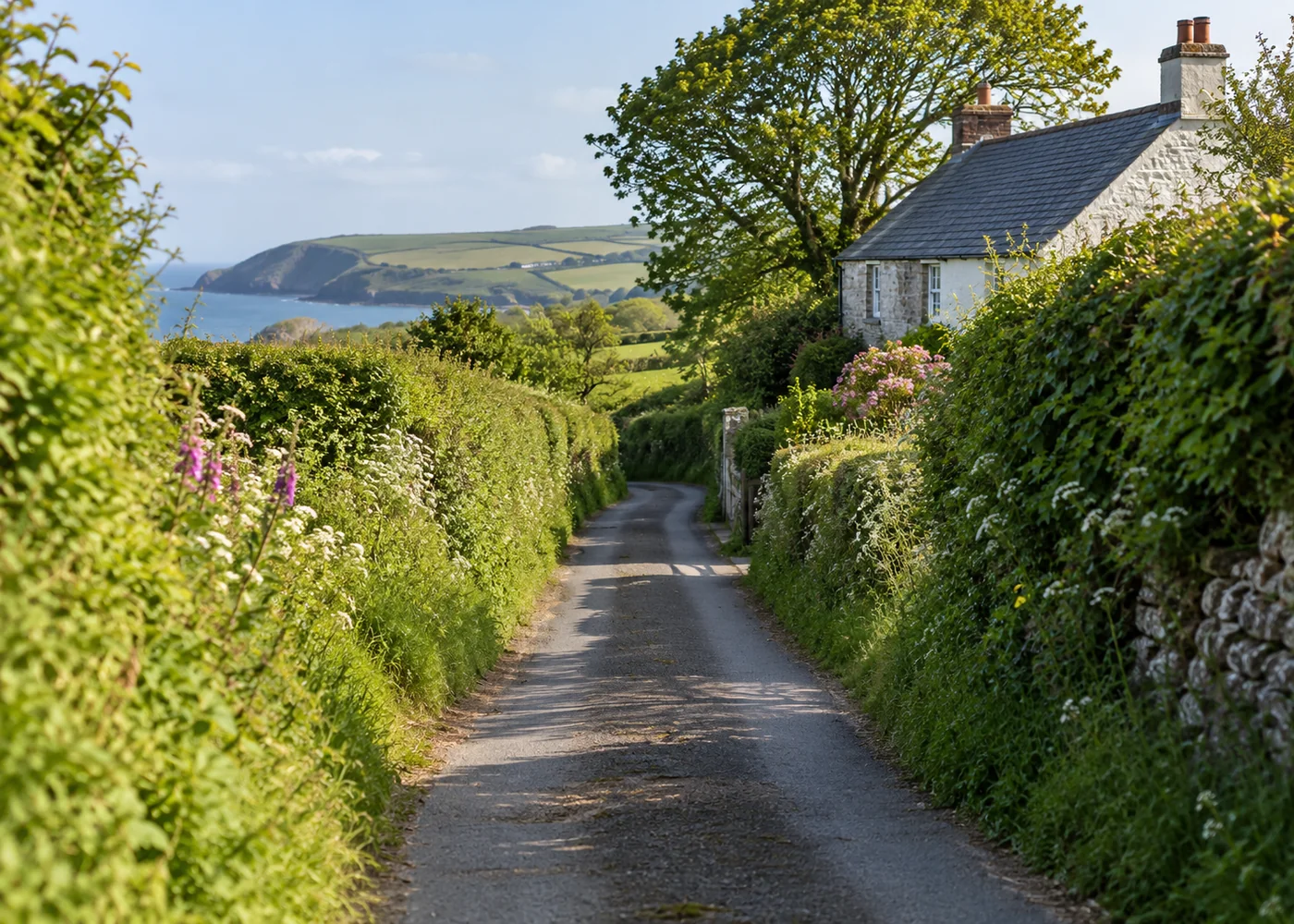
The final lane can shape arrival more than the main journey. Find out what the last stretch involves while you still have time to plan.
Use the owner's directions
Navigation apps are useful for the wider route, but the owner may know a preferred final approach that avoids an unsuitable lane or misleading entrance. Read the supplied directions before setting off and keep them available offline.
Check whether the postcode identifies the cottage itself or a wider area. Rural addresses can place several properties near the same marker. Save the property's name, the correct entrance and any described landmarks rather than relying on a pin alone.
If the directions differ from the app, ask about the difference before travelling. Do not assume either source should be followed blindly. Current road closures or other changes may also require checking through the relevant official travel information.
Describe your vehicle honestly
Mention a large vehicle, trailer or roof box if you plan to bring one. Ask about narrow entrances, low branches, steep sections and turning space where these are relevant. A normal car reaching the cottage does not establish suitability for every vehicle.
Look at the parking arrangement together with the approach. A lane may be manageable while the turn through the gate is tight. Conversely, the property may have plenty of room once you arrive. Ask for a clear description or photograph rather than attempting to estimate clearance from a distant view.
If a precise limit matters, obtain a measurement or choose a route and property that do not depend on a close fit. Arrival should not require testing whether expensive equipment can squeeze through an uncertain gap.
Give daylight some value
For an unfamiliar rural setting, arriving in daylight can make identifying the entrance and unloading easier. It is not always possible, but it is worth considering when choosing a departure time.
If arriving after dark, confirm exterior lighting, key collection and the correct parking place. Bring a charged torch for ordinary visibility if useful, while keeping your hands and attention available for the route. Do not assume every garden path or outbuilding will be illuminated.
Keep the contact number accessible, but arrange questions before the journey where possible. The manager may not be immediately available at every hour, and a last-minute call is harder when reception is poor.
Keep the plan adaptable
Weather can alter the experience of a rural approach. Ask the owner about any property-specific advice if difficult conditions are expected, and follow current travel guidance. Do not attempt a route that appears unsafe merely because you have a booking at the end of it.
Build some margin into the journey rather than treating the final estimated minutes as fixed. A pause to identify an entrance or allow another vehicle through is easier when dinner arrangements are not already running late.
Passengers can help by reading saved directions and looking for named landmarks, leaving the driver to concentrate. If a decision needs attention, stop only in a suitable place rather than trying to resolve it while moving.
Think beyond arrival day
If the plan involves several outings each day, ask yourself whether you are comfortable repeating the approach. A secluded setting may be worth the extra care, but it is a different choice from a cottage beside a straightforward village road.
Consider shopping as part of that calculation. Bringing a sensible first supply can reduce unnecessary trips without overloading the car or planning every meal. The aim is to make the setting enjoyable, not to treat the lane as an obstacle you must repeatedly negotiate.
For anyone in the group who is less comfortable driving unfamiliar roads, agree the likely transport arrangement beforehand. Avoid leaving one person with a responsibility they did not expect.
The last mile does not need to put you off a rural holiday. It needs to be understood. Clear directions, a suitable vehicle and a little timing margin let the cottage's location become part of the pleasure rather than the first argument of the break.