Check what is open on a quieter-season break
Check the few local services your stay actually depends on, rather than assuming that a quieter season means either everything is open or everything is closed.
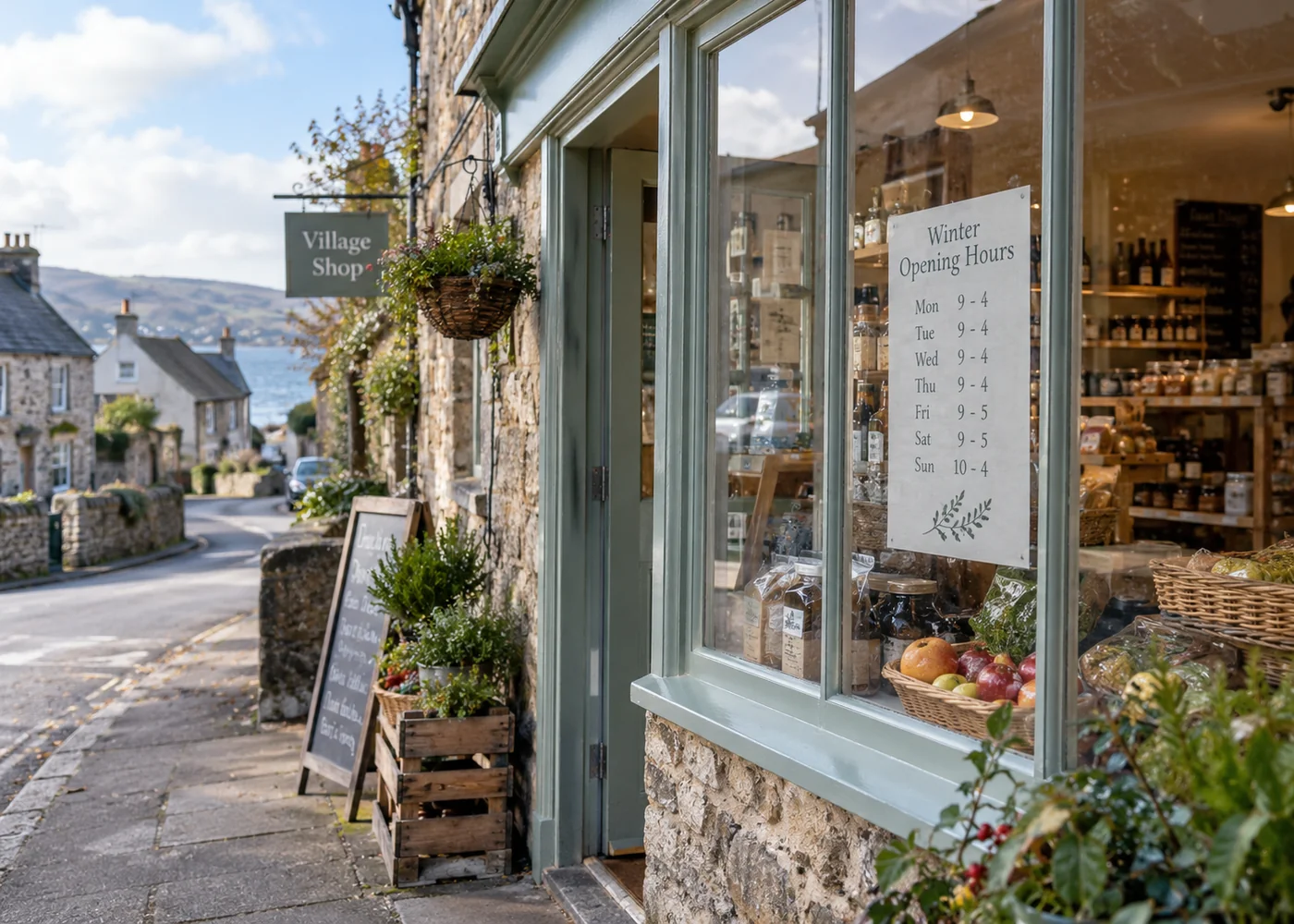
Identify the important stops
List the places that make your plan work: the shop for arrival food, a meal reservation, a transport connection or a visitor facility. Then verify those specific details from current official information or the business itself. A general destination page may describe what exists without confirming when it operates. Focus your effort on what would change the day if unavailable.
Check dates as well as days of the week. Seasonal arrangements, special closures or changed service hours may not match the headline hours shown in a search result. If the information is unclear and the plan depends on it, contact the provider. Avoid treating an unanswered question as confirmation simply because the rest of the itinerary is already appealing.
Write down the last useful time for a stop, not merely its closing time. Reaching a shop moments before it shuts may not leave enough time for the task, and a collection can have its own window. Build a modest margin into the journey. This is especially helpful on arrival day, when unloading or unfamiliar directions may already take longer than expected.
Distinguish opening from the service you need
A pub may be open while its kitchen is not serving, and a shop may offer a collection service only at particular times. Ask about the actual thing you intend to use. Similarly, a venue being accessible in principle does not confirm a particular facility or assistance arrangement for your visit. Specific questions save more uncertainty than a broad enquiry about whether the place will be open.
For transport, use current operator information for the relevant date and direction, including the return journey. Do not plan an afternoon around the outward service alone. If a connection is essential, leave an appropriate margin and understand the alternatives. A cottage's location can feel very different when the service you expected is not running at that time.
Ask the host for local suggestions where useful, but verify important timings independently. Their knowledge can help you identify the right place to check; it should not be treated as a promise that every business will operate as it did last week. Keep the final confirmed details with the day's plan so another member of the group can use them too.
Keep a small fallback
Bring enough food for an easy arrival meal and breakfast if shopping is uncertain. Choose one alternative for an important meal or outing, without building a second entire holiday. A fallback is useful when it reduces pressure, not when it fills the car with speculative supplies and the calendar with duplicate bookings.
Adjust the pace to the available services rather than trying to reproduce a busier-season itinerary. A shorter visit, lunch at the cottage or a different day for an outing may work comfortably. The quieter period can still be enjoyable when the practical limits are known; frustration usually comes from discovering them at the exact moment you need the service.
Check again close to the visit if the booking was made well in advance. Save only the information you need and remain willing to change when current details differ. A few verified arrangements let the rest of the stay remain relaxed without relying on assumptions about what a season should provide.
Share changes with the group in one place. A revised dinner time is easily missed if one person hears it by telephone and another keeps using an old screenshot. Replace the outdated detail or mark it clearly, keeping the practical information short enough to read. The point of checking is not merely to know the answer yourself, but to make the plan others follow accurate too.