Leave room for time alone on a group holiday
A little time alone can make a shared stay more enjoyable. Treat it as part of the holiday rather than a departure from the group.
Make the option ordinary
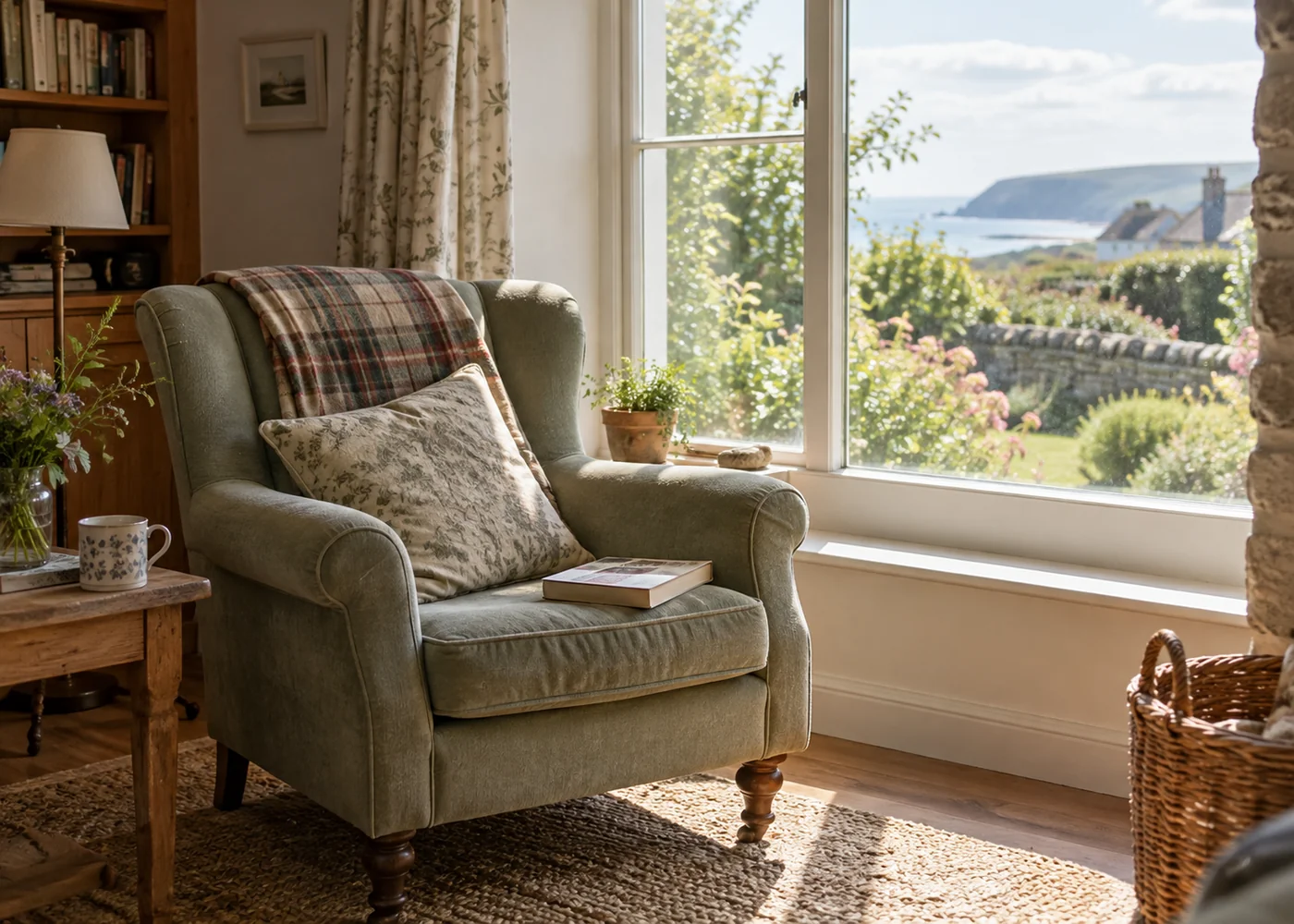
Mention early that people can take time to themselves without explaining it at length. Some may want to read, rest or make a short personal outing. It is easier to choose that when the group has not framed every activity as an all-or-nothing test of togetherness. A shared cottage provides a base; it does not require everybody to remain in the same room all day.
Choose a few moments to share, such as dinner or a planned visit, and leave other time flexible. That gives people something definite to return to without filling the entire day. Make invitations clear: say that an outing is optional if it is, and avoid repeatedly asking someone to reconsider after they have declined politely.
Find a place that is actually private enough
Look at the layout before booking if quiet space is important to the group. A second sitting area, a bedroom with a chair or a sheltered outdoor spot can help, but do not assume the garden will be usable in all weather. A large open-plan room may offer floor space without much separation. The distinction matters more during a week than during a brief weekend.
Respect a closed door and agree how people can signal that they would rather not be interrupted. Keep the arrangement proportionate and friendly. There is no need for a formal system, but knocking rather than walking in makes a difference. Avoid using someone's bedroom as storage that everyone must access throughout the day.
If you stay at the cottage while others go out, clarify whether you are agreeing to any practical responsibility. Quiet time does not automatically include cooking for the returning group or waiting for a delivery. Equally, make sure necessary care arrangements are genuinely covered before people separate. Clear agreement prevents solitude from becoming an unspoken shift of work.
A personal walk or visit also needs an ordinary communication arrangement appropriate to the setting. Let the relevant people know the plan and expected return without making it an invitation for everyone to join. Quiet time can remain private while still fitting the group's practical needs, especially when transport, keys or a shared meal depend on someone being back.
Rejoin without an explanation exercise
You do not need to present a productive account of the time. Reading a few pages or doing very little can be the point. Ask others about their outing and return to the shared rhythm when you wish. A group that allows this easily often needs less negotiation because people are not trying to protect every quiet moment through excuses.
If the house offers little separation, adjust the plan instead of expecting someone to tolerate constant noise. Smaller groups can go out at different times, or an evening can include headphones and separate activities. The solution should fit the people and the property, not an idealised picture of everyone enjoying exactly the same kind of holiday.
Notice what helped when choosing a future cottage. A modest extra room may be more useful than a larger dining table or another decorative feature. Space to be alone briefly can support time together, especially when the group includes different routines and levels of energy.