Give teenagers a say in a cottage break
Give teenagers a real role in planning, including how much shared activity they want and what the cottage can actually provide.
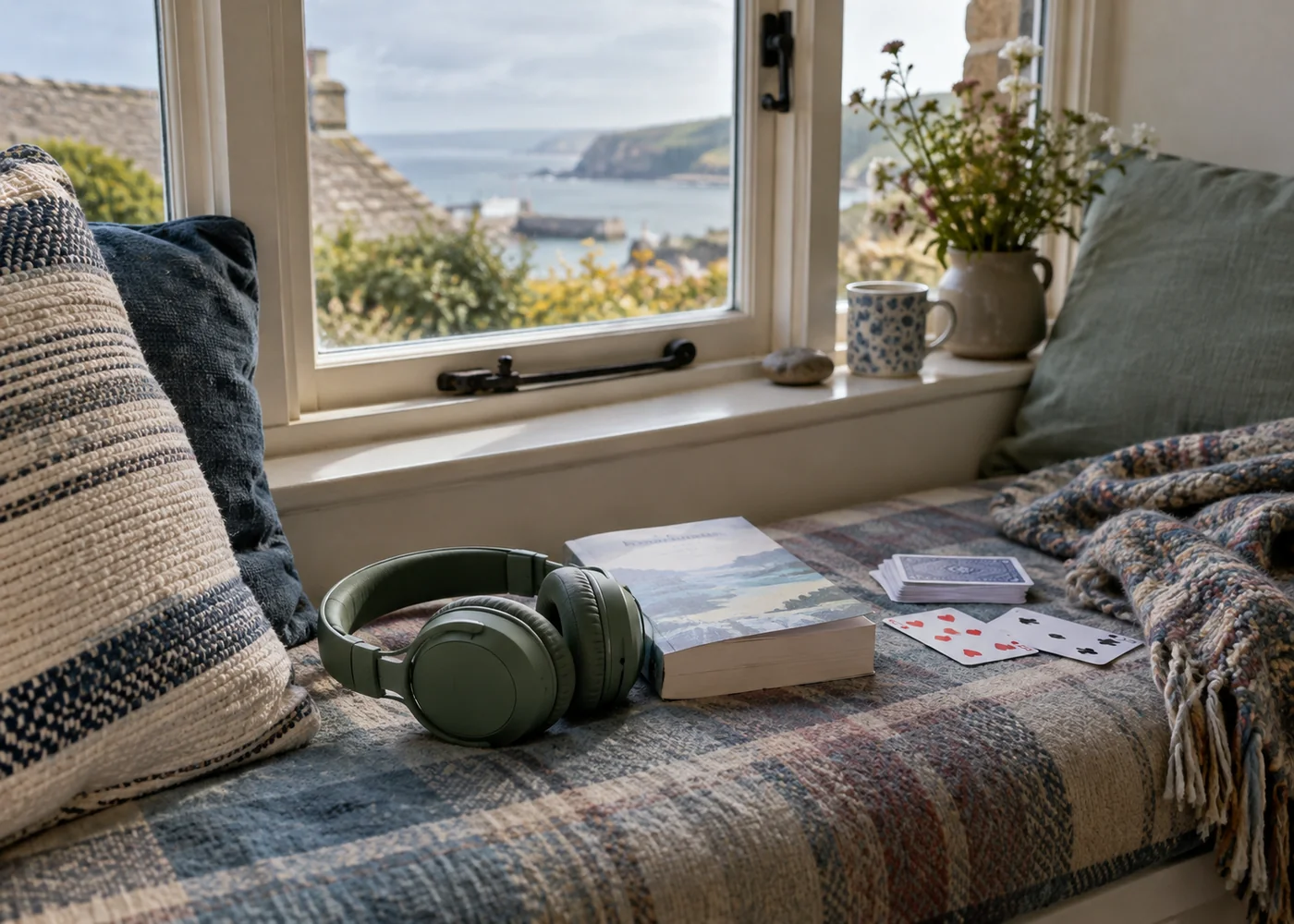
Ask for a few useful preferences
Invite each teenager to choose one thing they would enjoy, whether that is a particular outing, a quiet afternoon or a place to eat. Keep the choice within the trip's budget and location, but make it genuine. Asking for an opinion and then dismissing every answer is less helpful than being clear about the limits from the beginning.
Discuss bedrooms and privacy before booking. Sharing with younger siblings or using a sofa bed may be manageable for a short stay, but should not arrive as a surprise. Show the actual layout rather than promising that everyone will have space. A separate corner to read or listen to something can matter during the day even when bedrooms must be shared.
Check the digital assumptions
If an internet connection is important, ask what the property provides and recognise that performance can vary. Do not describe a cottage as suitable for a particular online activity merely because Wi-Fi appears on the listing. Download permitted entertainment or practical information in advance where useful. A fallback removes some pressure without pretending that every teenager wants a completely disconnected holiday.
Agree the household approach to devices rather than introducing a new rule at the door. Shared meals or a particular outing might be screen-free by agreement, while other time remains personal. Adults should be prepared to follow the same spirit. A cottage stay need not become a contest between scenery and technology; it can include both a walk and a quiet evening listening to music.
Check entertainment facilities accurately. A television may not include the subscriptions used at home, and a games room may mean one table rather than an extensive collection. Bring a compact familiar option if it matters. Avoid building the trip around a facility whose availability or condition you have not confirmed.
Share the day without filling it
Let teenagers join in the practical work in clear, reasonable ways, such as choosing a meal, helping shop or organising a game. Do not make their only role carrying bags and waiting while adults decide. At the same time, leave some unplanned time. A holiday schedule that moves constantly between adult preferences can feel more demanding than the week it was meant to interrupt.
Discuss any independent time in a way appropriate to the individual and setting. An unfamiliar rural area may have different transport, routes and communication limits from home. Agree the actual plan rather than assuming that the village is simple because it looks small on a map. Parents or responsible adults should make those decisions with the relevant circumstances in mind.
At the end of the stay, ask what worked rather than whether they enjoyed every minute. One good choice made together can improve the next trip more than a long itinerary designed on their behalf. The aim is a shared break in which younger members of the family are participants, with room for preferences that do not always match the adults'.
Let a chosen activity remain theirs to help organise where appropriate, including checking the practical details with an adult. This can make their contribution more concrete than simply voting for a destination. Keep the responsibility reasonable and offer help, rather than turning a suggestion into a test they must complete alone before it is taken seriously.