Share a cottage with another family comfortably
Two families bring two versions of ordinary life. Agree the essentials before booking, then allow enough room for routines that do not match exactly.
Compare the practical expectations
Talk about sleeping arrangements, meal times, budget and the kind of days each family wants. Do this before a favourite cottage becomes the assumed answer. One household may expect early outings and shared dinners, while the other wants slower mornings and occasional meals out. Neither is unreasonable, but the property and plan need to support both well enough for the stay to feel comfortable.
Discuss the ages and needs of the children without assuming that similar ages mean similar routines. Bedtimes, room sharing and supervision may differ. Parents should make the decisions relevant to their own children, while agreeing how shared spaces will work. Avoid presenting the holiday as a chance to change another family's habits. The aim is a workable temporary arrangement, not a judgement on life at home.
Set the money arrangement at the same time. Decide how accommodation, groceries and optional outings will be shared, and confirm it before anyone pays. If one family has a smaller bedroom allocation or stays fewer nights, discuss whether that changes the contribution. A clear agreement is easier than relying on everyone having the same unspoken idea of fairness.
Choose separation as well as capacity
Look at the floor plan, not just the bed count. Bedrooms near each family's children may be more useful than the largest available rooms. Check whether any sleeping area is reached through another, whether a sofa bed occupies the main sitting room and where the bathrooms are. These features affect the evening long after the photographs have done their job of making the house look appealing.
A second sitting space can be valuable when children are asleep or people want different activities. If the house is open-plan, consider how quiet time and early breakfast will work. You do not need a huge property, but you do need an honest view of the space. A compact cottage may suit a weekend with a compatible group and feel crowded during a wet week.
Check dining and kitchen capacity for the full party. Two families can produce a surprising amount of food, coats and equipment. Coordinate what each brings rather than duplicating everything, and leave the kitchen surfaces usable. If there is only one fridge, plan shopping around it instead of arriving with two complete household shops.
Share some meals and leave others flexible
Choose a few meals to eat together and decide who handles each one. Pair cooking with clearing up so the work does not fall repeatedly to the same adult. Keep dishes manageable for the kitchen and the children involved, while following any relevant dietary requirements. A holiday meal does not need to satisfy every preference perfectly to be pleasant.
Allow the families to separate for an outing or meal without treating it as a problem. Different interests and energy levels are likely over several days. Agree a shared point to return to, such as dinner, and keep transport practical. If there is only one car available for a plan, do not describe the day as flexible until that constraint has been resolved.
Be explicit about childcare. An adult staying at the cottage has not automatically agreed to look after everyone, and a parent taking one child out has not necessarily offered to take all of them. Ask clearly and respect the answer. This protects the holiday time of both households and prevents responsibility being passed through assumptions.
Keep ordinary friction small
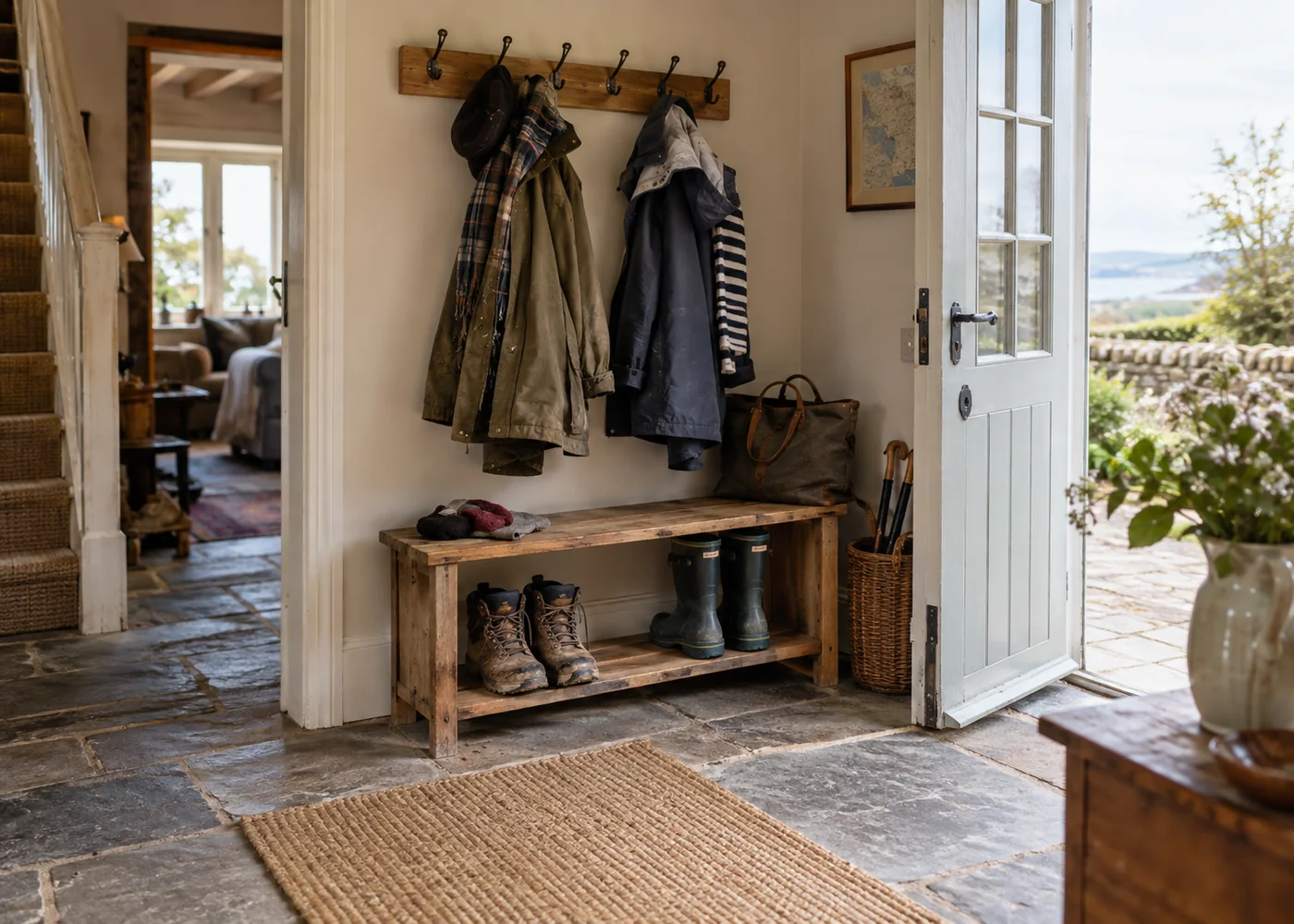
Agree a few shared-space habits: where wet shoes go, how the table is cleared and where children can keep activities. Do not create a lengthy rule sheet for every possible disagreement. A clear place for belongings and a brief conversation about noise can solve much of the practical friction before it becomes personal.
If something is not working, raise the specific arrangement calmly rather than making it about the other family's character. Changing breakfast timing or moving a game to another room is easier than debating who is more considerate. Keep the solution proportionate to a temporary stay and use the space the property actually offers.
Before checkout, divide the final jobs and give each family responsibility for its own belongings. Check shared areas together so neither assumes the other has emptied the fridge or collected garden toys. A successful two-family holiday does not require identical routines. It requires enough clarity, flexibility and space that those routines can coexist without dominating the time away.