Arrange daytime visitors without crowding the house
Daytime visitors change parking, meals and the use of the cottage. Confirm the arrangement with the host and keep the invitation suited to the property.
Ask before promising the visit
Read the booking conditions for daytime guests, occupancy and use of shared facilities. Do not assume that a house sleeping eight can host a much larger afternoon gathering. Contact the host with the actual number of visitors, approximate timing and any relevant details such as dogs. A specific request is easier to answer than asking whether a few people might drop in.
Keep the distinction between a visit and an event clear. Lunch with two relatives is different from a celebration involving several households, deliveries or amplified music. Describe the plan accurately so any permission relates to what will happen. If the host cannot accommodate it, meet elsewhere or choose another arrangement before invitations become difficult to change.
Give visitors the directions they need without circulating private access information more widely than necessary. If someone will meet them at the door, say so. A visit should not require every guest to have a key code or to let themselves into the property independently. Keep the arrival plan compatible with the host's instructions, and make sure late changes reach the person responsible for welcoming them rather than several unrelated members of the group.
Look at the ordinary constraints
Count parking spaces and understand where visitors can legally and considerately leave vehicles. Do not direct cars onto neighbouring land, narrow access routes or spaces allocated to other cottages. If parking is limited, consider sharing transport or meeting at a suitable venue. The convenience of having everyone come to you should not depend on inconveniencing other people nearby.
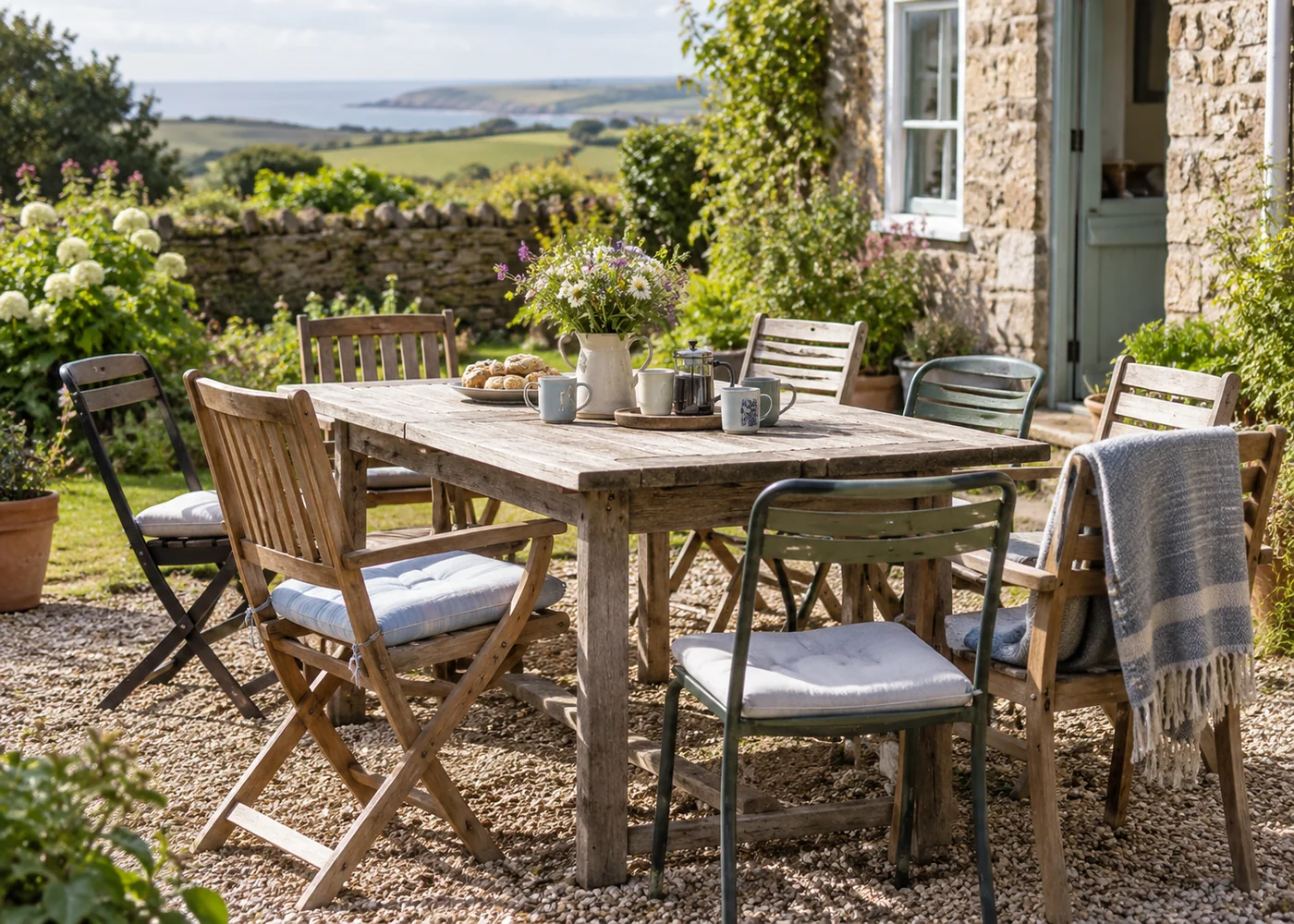
Think about seating, table space and bathroom use. A garden meal may look easy in photographs but need an indoor alternative if the weather changes. Choose a number of guests that the actual cottage can accommodate comfortably within its conditions. Borrowing chairs from bedrooms or moving heavy furniture is not a reliable plan, especially without permission.
If children or dogs are visiting, explain the house arrangements to their responsible adults. Shared gardens, steps and pet rules do not disappear because the visit is brief. Make sure somebody knows who is supervising what rather than assuming the people staying overnight will take over. Visitors should be able to enjoy the setting without learning its limitations through an awkward moment.
Keep the food and timing simple
Choose a meal that fits the kitchen and the amount of time you want to spend preparing it. A modest lunch can leave more room for conversation than several courses. Agree what visitors will bring so the table does not end up with duplicate desserts and no useful serving space. Follow any dietary requirements and appropriate food-handling guidance relevant to the group.
Give the visit a clear shape, especially if it sits between outings or before checkout. A suggested arrival time and an ordinary end point help people plan without making the invitation feel formal. Leave time afterwards to clear up and restore the cottage for the people staying there. The overnight guests should still have a comfortable evening once everyone else has gone.
If the arrangement works well, thank the host where they helped clarify it and keep to what was agreed. A holiday cottage can be a lovely meeting place, but its value comes from a manageable gathering in a suitable space, not from stretching the booking to hold as many people as possible.
Keep the overnight guests' personal rooms out of the visiting space unless they have agreed otherwise. A bedroom should not become a cloakroom by default, particularly when someone may want to rest. Offer a suitable place for coats and bags near the permitted entrance, leaving the routes through the cottage clear. This helps the visit remain sociable without taking over the whole house.