Plan a winter stay around the useful daylight
Use the actual daylight for your dates and location when shaping a winter break, then let the cottage carry more of the late afternoon and evening.
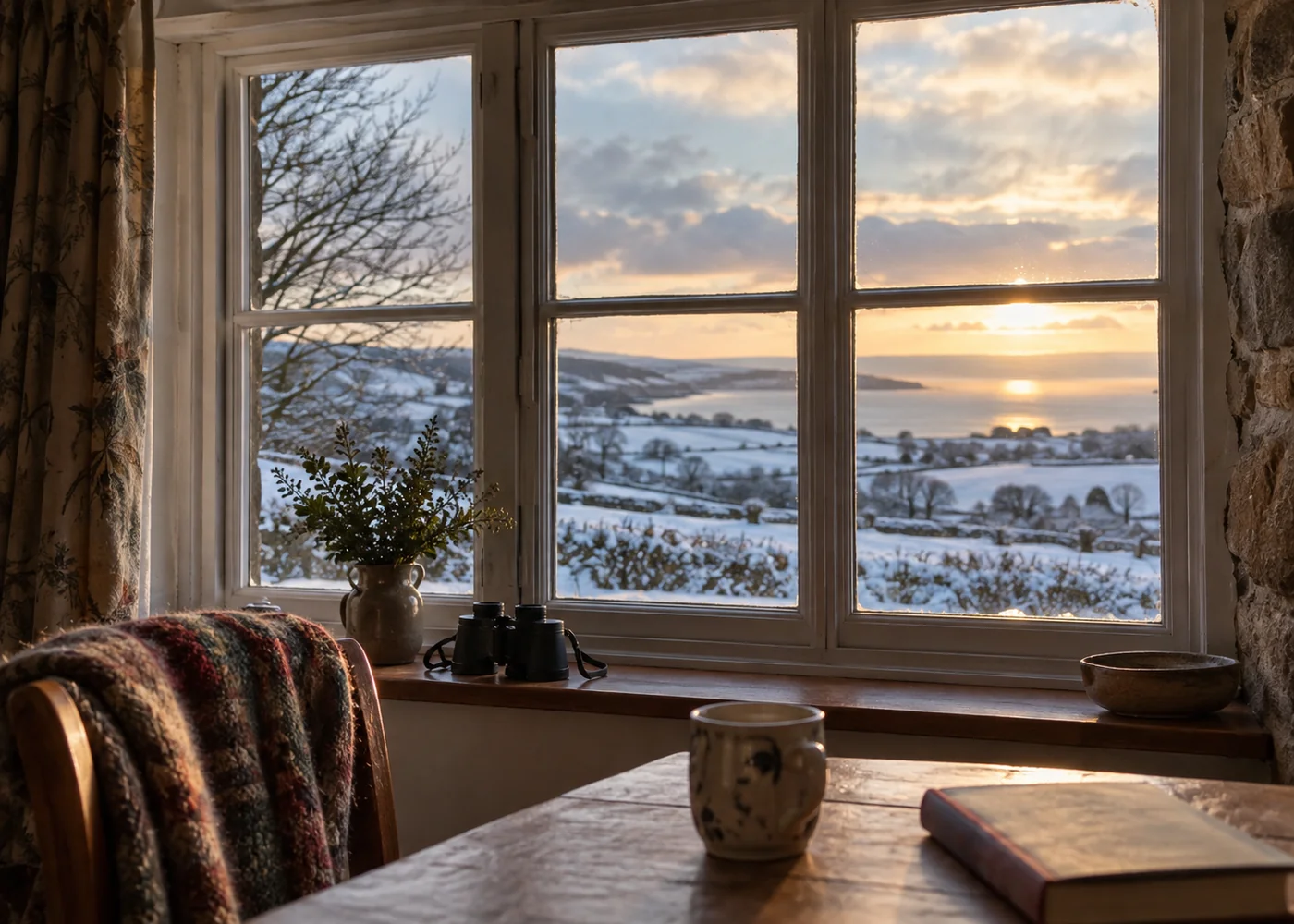
Start with the date and place
The Met Office describes winter as the UK's season with the shortest days, but the usable light for a particular outing depends on where and when you travel. Look up the relevant timings rather than relying on a remembered winter weekend elsewhere. A general season label cannot tell you when a route should begin or how much margin your group needs to return comfortably.
Consider the journey to the activity as well as the activity itself. A late breakfast, a drive and a search for parking can consume a substantial part of the available day. This does not mean every holiday morning must begin early. It means choosing an outing that fits the morning you actually want, rather than a route whose timing assumes everyone will leave the cottage at dawn.
Use current local weather and relevant activity guidance alongside daylight information. Light alone does not make conditions suitable. If a plan needs skills or equipment beyond those your group has, choose another activity or seek appropriate professional advice. A holiday article cannot certify a route for a particular winter day, even if it describes the distance as short.
Give the day one main purpose
Choose the outing or visit that matters most and plan the rest around it. A museum or village lunch may fit a different rhythm from an outdoor route. Trying to combine both can create unnecessary pressure if one runs late. Keep the plan small enough that an ordinary delay does not force a rushed return or an uncomfortable choice between continuing and disappointing the group.
Check opening hours directly for the date, particularly if the plan relies on a café, visitor facility or attraction after the outdoor part. The time printed in a general search result may not explain seasonal arrangements. A confirmed stop can be useful; an assumed one can leave you travelling farther just when you intended to be returning to the cottage.
Allow time for the practical edges: changing footwear, dealing with wet clothing, preparing food and moving at the pace of the group. These are not interruptions to the real holiday. They are part of the day, and ignoring them makes an itinerary look possible only on paper. A plan with a little spare time can absorb them without constant negotiation.
Put the expected return alongside the start time when discussing the plan. A route described only as a morning outing can gradually grow as people add a stop, photographs and lunch. Naming the intended end makes those additions easier to judge. If the group wants a leisurely meal on the way, shorten another part deliberately rather than pretending it has no effect on the hours available. The plan should describe the day people will actually have, including the pauses they enjoy.
Choose the cottage as an evening place
Look for comfortable indoor seating, appropriate lighting and a table that works for your group. In winter, these features may receive more use than a large garden or distant view. Confirm heating arrangements and follow the host's operating instructions. If the property does not provide clear information about an essential facility, ask before booking rather than assuming a cosy photograph answers the question.
Consider how separate activities will coexist. A television, a board game and quiet reading may compete in one room. A second sitting area can be useful for a larger group, but smaller properties can also work when expectations are discussed. Bring a few familiar options and avoid making the evening depend on a particular subscription or unverified internet performance.
Plan food to fit the kitchen and your preferred amount of work. Returning in the afternoon can leave time for a leisurely meal, but that does not mean one person should cook for hours while everyone else rests. Share tasks and keep an easy option for days when the outing takes more energy than expected. A comfortable evening should remain available without another complicated project.
Keep arrivals and departures realistic
For the first day, review the route and arrival instructions in advance. If you expect to arrive after dark, save the precise directions and access information, and ask about anything unclear. Do not plan to inspect a garden or understand every outside route immediately on arrival. Leave non-essential exploration until an appropriate time and focus on settling into the permitted indoor space.
On the final morning, follow the checkout time and make travel decisions using current information. Do not extend an outing merely because luggage is already in the car if conditions or daylight no longer fit the plan. Keep flexibility in the journey and seek the relevant official travel advice where needed. The original itinerary is a plan, not a reason to disregard changed circumstances.
Winter can offer a different balance rather than a smaller version of summer. A purposeful outing, a comfortable return and an evening with enough room to enjoy the cottage may be exactly the break you want. The useful habit is to plan from the real hours and conditions available, then stop trying to fill the ones the season does not offer.